Dents Around the Property
Dents in vinyl siding, gutters, vents, or even your car can signal hail or debris impact that may have also damaged the roofing system.

Miami weather can be erratic, especially during spring and hurricane season. Thunderstorms and hurricanes make roof damage common, but homeowners often lose financial benefits because the claim is not inspected, documented, and presented correctly.
If you are preparing to file an insurance claim for a damaged rooftop, contact us for help. Storm damage to roofing systems is common in Miami, but homeowners are not always familiar with the complex process of filing and proving a roof damage claim.
The first mistake many homeowners make is waiting to call for a roof inspection. Unless there is obvious damage like a leak or puncture, they may wait until the problem becomes clear. By then, it may be too late to connect the full damage clearly to the storm event.
As soon as a storm passes through your area, look for signs that your topside surface may have been damaged. Even if none of the signs are clear to you, it is in your best interest to call for an inspection shortly after severe weather passes.
50+
Five-star certified reviews
0%
Fee if there is no recovery
100%
Policyholder representation
These warning signs do not prove the whole claim by themselves, but they are reason enough to inspect immediately and preserve the evidence.
Dents in vinyl siding, gutters, vents, or even your car can signal hail or debris impact that may have also damaged the roofing system.
Shingles, tiles, ridge caps, or roofing fragments in the yard are warning signs that the topside surface may have been compromised.
Fallen branches can puncture, scrape, lift, or weaken roofing materials even when the damage is not obvious from the ground.
If nearby homes are getting roof repairs or replacements after the same storm, your property should be inspected too.
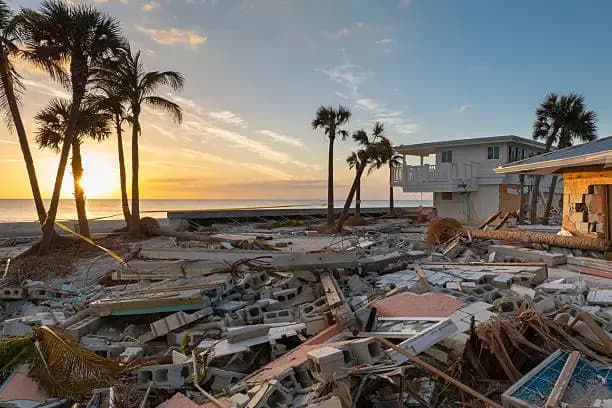
Although your insurance company may give you several months to file, delay can create arguments about whether the roof damage was caused by the storm, wear and tear, prior conditions, or a later event.
Contact us immediately for your inspection. We help document the weather event, roof condition, interior damage, and repair scope before the evidence gets stale.
A visible leak is only one part of the claim. The strongest roof claims connect the storm, exterior damage, water entry, interior repairs, and policy coverage into one clear record.
Insurance companies may allow several months to file, but letting even a few weeks pass can make it harder to prove the roof damage was caused by the storm.
Homeowners usually wait for an obvious leak or puncture. By then, water may have already moved through underlayment, decking, insulation, ceilings, and walls.
Wind-lifted shingles, fractured tiles, loosened flashing, and small punctures can be missed without a proper roof inspection.
The first documented inspection helps connect the date of loss, weather event, roof condition, interior damage, and repair scope into one claim record.
A roof leak can involve roofing materials, decking, ceilings, insulation, paint, flooring, contents, and mold prevention. The repair scope needs to account for all covered damage.
Initial estimates may address the visible stain while missing the storm-created roof damage that allowed water into the property.
Step 01
We review the reported storm event, inspect the roof system, and document visible and hidden indicators of damage.
Step 02
Photos, repair estimates, moisture impacts, weather context, and interior damage are organized into a claim file the carrier can evaluate.
Step 03
We negotiate directly with the insurance company so the roof and related interior repairs are valued correctly.
Trust Foremost PA
If a storm passed through your area, do not wait for the damage to become obvious. A fast inspection can protect the claim.
Plain-English definitions of the terms that decide how this claim gets paid, from our insurance claim glossary.
Practical, plain-English how-to guides from our claim guides library.
Get Your Free Insurance Claim Review
A licensed adjuster responds within 2 hours. No recovery, no fee.