Business Interruption Insurance Claim Denied in Florida? Here’s What You Can Do Next
A denied business interruption claim is a decision you can question, not the end of the road. This guide for Orlando and North Florida business owners explains the most common denial reasons, what Florida law requires the insurer to put in writing, the 1-year and 18-month notice deadlines, and the presuit notice you must file before suing.
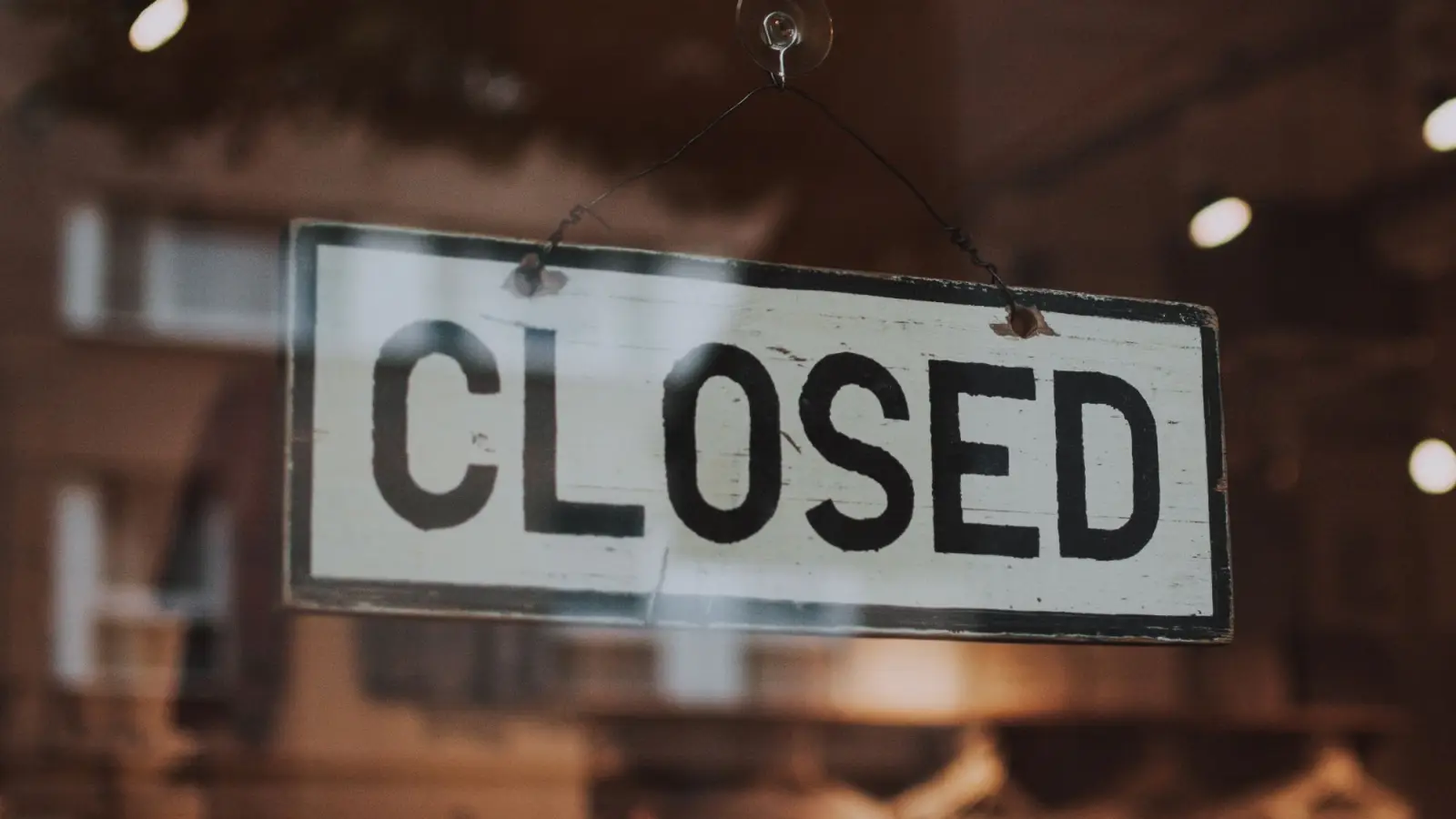
A denial letter on your business interruption insurance claim can feel like a second disaster. The building is damaged, revenue has stopped or slowed, payroll and rent are still due, and now the coverage you paid for to bridge that gap has been refused. In Florida, a denial is a decision you can question, not the end of the claim.
This guide is for business owners in Orlando, Central Florida and North Florida, from Tallahassee and Gainesville to Pensacola and Panama City. It walks through why insurers deny lost income claims, what state law says the insurer owes you in writing, the deadlines that keep running after a denial, and the realistic routes to reverse or reopen it. It is general information, not legal advice: your policy wording and your facts decide your rights.
Why do insurers deny a business interruption insurance claim?
Most denials come down to one of three arguments: the loss was not caused by direct physical loss or damage to covered property, the cause of loss is excluded, or the income loss is not proven. Each argument points to different evidence, so the first job is to identify exactly which one the insurer is making.
Business income coverage is usually an endorsement or form attached to a commercial property or businessowners policy, and it only pays when a covered cause of loss damages property and suspends your operations. Common denial reasons include:
- No direct physical loss or damage. This was the central argument in the wave of pandemic shutdown lawsuits. A closure without physical damage to your property, or to property named in a civil authority or dependent property clause, rarely triggers coverage.
- An excluded cause of loss. Flood is excluded from most standard commercial property forms, and mold, wear and tear, and some water losses carry their own exclusions or sublimits.
- The waiting period. Many business income forms do not pay for the first hours or days of a suspension, so a short closure may fall entirely inside it.
- Late notice or missing documents. An insurer may deny when it says it could not verify the loss because records were not produced.
- No proof of lost income. If your financial records do not show what the business would have earned without the loss, the insurer may treat the claim as speculative.
- Coverage you did not buy. Some policies have no business income form at all, or a limit far below the actual loss.
What does Florida law require in a denial letter?
For many smaller commercial claims, Florida requires the insurer to pay or deny within 60 days of notice and to give a reasonable written explanation tied to the policy language and the facts. If the letter only says "not covered" without citing the policy provision, ask in writing for the specific basis.
Under § 627.70131, Florida Statutes, that 60-day pay or deny rule and the written explanation requirement apply to commercial property claims for structural or contents coverage when the insured structure is 10,000 square feet or less, and to contents claims under a commercial tenant policy for premises of that size. They do not apply to policies covering nonresidential commercial structures or contents in more than one state. Business income is not named in that list, so whether the statutory clock reaches the lost income part of your claim depends on your policy and your facts. Your policy's own conditions still control timelines and documentation either way.
Read the denial letter line by line and write down every reason it gives. A denial built on "no physical damage" is answered with damage evidence. A denial built on "insufficient documentation" is answered with records. Mixing the two wastes time.
What should you do in the first 30 days after a denial?
Move quickly, put everything in writing, and rebuild the claim around the insurer's stated reasons. The steps below apply whether the claim followed a hurricane, a fire, a roof failure or a burst pipe that shut your doors.
- Request a certified copy of the full policy, including the business income form, every endorsement, and the declarations page with the limits and waiting period.
- Match each denial reason to the policy language the insurer relies on. Note any reason that does not cite a specific provision.
- Rebuild the financial record. Gather profit and loss statements, tax returns, sales and bank records, and payroll for the period before the loss, during the shutdown and after reopening, plus receipts for extra expenses such as temporary space or expedited repairs.
- Document the physical damage that caused the suspension: photos, repair estimates, and dates the property was unusable.
- Send a written request for reconsideration with the new evidence attached, and keep a log of every call, email and inspection.
- Calendar your deadlines before anything else slips (see the next section).
If your claim was partly paid rather than denied, the same steps apply. Our guide to what to do after a denied insurance claim in Florida covers the residential side of the same process.
Which deadlines keep running after a denial?
A denial does not pause the clock. Florida bars a new or reopened property claim unless notice reached the insurer within 1 year after the date of loss, and a supplemental claim within 18 months. A separate deadline for filing suit sits in § 95.11, so check both early.
Those notice limits come from § 627.70132, Florida Statutes, and they apply to property insurance policies for loss from any peril, including policies from eligible surplus lines insurers. For hurricanes, tornadoes, windstorms, severe rain and other weather events, the date of loss is the date the hurricane made landfall or the date the National Oceanic and Atmospheric Administration verified the event. That matters for businesses that discover the full income impact months after a storm.
A supplemental claim is a claim for additional loss from the same peril that the insurer already adjusted. If new damage or a longer shutdown comes to light after a denial or partial payment, a supplemental or reopened claim may be the path, as long as it is filed inside those windows.
Is free state mediation available for a commercial claim?
Usually not. Florida's Department of Financial Services mediation program covers personal lines and commercial residential policies, and the statute says it does not apply to commercial coverages. A store, restaurant or office owner generally has to use the policy's own dispute process or the presuit route instead.
That limit is written into § 627.7015, Florida Statutes. It surprises many business owners, because the mediation program is widely promoted after storms. Your realistic options are a written reconsideration with new evidence, the appraisal clause if your policy has one, or litigation after the presuit notice process.
Appraisal clauses in most policies are built to settle disagreements about the amount of a loss, so they tend to fit an underpaid business income claim better than a flat coverage denial. Our explainer on the insurance appraisal process in Florida walks through how it works.
What has to happen before you can sue your insurer?
Before filing suit on a residential or commercial property policy, you must file a written notice of intent to initiate litigation with the Department of Financial Services at least 10 business days before suing, and only after the insurer has made its coverage decision. The insurer then has 10 business days to respond in writing.
Under § 627.70152, Florida Statutes, when the notice follows a denial of coverage, the insurer must respond by accepting coverage, continuing to deny, or asserting a right to reinspect the property. If it chooses reinspection, it has 14 business days after that response to reinspect and then accept or keep denying. A suit filed without the required notice must be dismissed without prejudice, so this step is not optional.
The notice itself has to state the insurer's acts or omissions, such as the denial, and an estimate of damages if known. That is one more reason to rebuild your income figures before the dispute escalates.
How does a business interruption public adjuster help?
A business interruption public adjuster is a licensed professional who works for you, not the insurer. The adjuster reads the policy against the denial, assembles the damage and income evidence, quantifies the loss and negotiates with the carrier. In Florida, only a licensed public adjuster or an attorney may do that work for pay.
§ 626.854, Florida Statutes makes it unlawful for anyone other than an attorney or a licensed and appointed public adjuster to negotiate or settle a claim for compensation. The same section caps public adjuster fees at 10 percent for claims tied to a declared state of emergency during the year after the declaration and 20 percent otherwise, but those caps apply to residential and condominium unit owner policies only. On a commercial business income claim, the fee is whatever the written contract says, so read it closely before you sign.
How Foremost approaches a denied business income claim. Foremost Public Adjusters is a licensed Florida public adjusting firm (license W807653) that represents policyholders, never insurers, with its headquarters in Coral Gables and offices in Fort Lauderdale and in Miramar Beach in the Panhandle. On a commercial claim, the work starts with the policy and the denial letter side by side, then moves to the property itself and the business records that show what the loss cost you. From there the firm prepares and presents the claim and handles the negotiation with the carrier, on a no recovery, no fee basis. You can read more about that work on our business loss claims page and in our post on commercial insurance claim adjusters in Orlando.
Business interruption claims in Orlando and North Florida
The rules are the same statewide: the 1-year and 18-month notice limits, the presuit notice before a lawsuit, and the fact that state mediation does not cover commercial policies. What differs locally is how storms interrupt business, and that shapes which part of the policy a claim depends on.
Orlando and Central Florida. Restaurants, retailers, hospitality and service businesses in Orange, Seminole and Osceola counties often lose income from storms that made landfall on another coast. Because the date of loss for a hurricane is its landfall date under § 627.70132, the notice clock can start before the wind reaches Orlando. Closures caused by damage to nearby property or by orders blocking access may fall under a civil authority clause rather than your own building's damage, so read that clause closely. Our Orlando public adjuster page covers the local process.
North Florida and the Panhandle. Businesses from Pensacola and Panama City to Tallahassee and Gainesville can face long shutdowns when roofs, power and access roads are all affected at once. A longer period of restoration means a larger business income claim, and a larger claim draws closer scrutiny of your financial records and the date operations could reasonably resume. Local pages: Tallahassee, Gainesville, Pensacola and Panama City.
When should you get help with a denied claim?
Get help as soon as the denial arrives, not after the deadlines tighten. The earlier the policy, damage evidence and financial records are lined up against the insurer's reasons, the more options stay open: reconsideration, a supplemental claim, appraisal, or the presuit notice.
Signs it is time to call include a denial that cites no specific policy provision, an insurer that has stopped answering, a claim that involves both building damage and lost income, or a shutdown that lasted longer than the insurer's estimate. Whether your business is in Orlando, Tallahassee, Gainesville, Pensacola or Panama City, contact Foremost Public Adjusters at 305-238-8672 for a review of your policy and denial letter.
About the author
Foremost Public Adjusters is a licensed Florida public adjusting firm (license W807653) that represents policyholders, never insurers, on residential and commercial property claims. The firm is headquartered in Coral Gables, with offices in Fort Lauderdale, Miramar Beach and Nashville, and works on a no recovery, no fee basis.
Sources
- § 627.70131, Florida Statutes: Insurer's duty to acknowledge communications regarding claims; investigation (2026)
- § 627.70132, Florida Statutes: Notice of property insurance claim
- § 627.7015, Florida Statutes: Alternative procedure for resolution of disputed property insurance claims
- § 627.70152, Florida Statutes: Suits arising under a property insurance policy (2026)
- § 626.854, Florida Statutes: Public adjuster defined; prohibitions (2026)
Frequently Asked Questions
There is no single state appeal form, but you can challenge the denial. Send a written request for reconsideration with new evidence, use the policy's appraisal clause if the dispute is about the amount, or file a presuit notice of intent with the Department of Financial Services before suing under section 627.70152.
Usually not. Most business income forms pay only when a covered cause of loss causes direct physical loss or damage that suspends operations. Civil authority and dependent property clauses can extend coverage, but they generally still require physical damage somewhere. That is why most pandemic shutdown claims were denied.
Section 627.70132 of the Florida Statutes bars a new or reopened property claim unless notice reached the insurer within 1 year after the date of loss, and a supplemental claim within 18 months. The deadline to file a lawsuit is separate and sits in section 95.11, so check both.
Generally no. Section 627.7015 makes Department of Financial Services mediation available for personal lines and commercial residential policies and states it does not apply to commercial coverages. A store or office owner usually relies on reconsideration, appraisal under the policy, or the presuit notice process instead.
Insurers typically look at profit and loss statements, tax returns, sales records, bank statements and payroll for the period before the loss, during the shutdown and after reopening. Keep receipts for extra expenses such as temporary space, overtime and expedited shipping, since many policies cover those costs separately.
Florida's public adjuster fee caps of 10 and 20 percent in section 626.854 apply only to residential and condominium unit owner policies. On a commercial business income claim, the fee is set by the written contract, so read it before signing. Foremost Public Adjusters works on a no recovery, no fee basis.
After a coverage denial, the insurer has 10 business days to respond in writing by accepting coverage, continuing to deny, or asserting a right to reinspect. If it reinspects, it has 14 more business days to decide. If it keeps denying, you may file suit without further notice.
No. The notice deadlines, the presuit notice before a lawsuit and the lack of state mediation for commercial policies apply statewide. What differs is storm exposure: Orlando businesses often lose income from storms that landed elsewhere, and North Florida shutdowns can run long when power, roofs and roads are all affected.
Key terms in this guide
Plain-English definitions from our insurance claim glossary.
You shouldn't have to fight your insurance company alone.
Foremost Public Adjusters has recovered millions for policyholders across South Florida. 18 years. Over 20,000 claims. If your claim was denied, delayed, or underpaid, we will look at it for free. No recovery, no fee.
Foremost Public Adjusters
Licensed public adjusting firm representing policyholders in first-party property claims across South Florida. Florida Public Adjuster License #W807653. Coral Gables, FL.