Step 01
Policy audit & site review
We walk the property and read every endorsement on your policy, so coverage the carrier won’t volunteer doesn’t slip through.
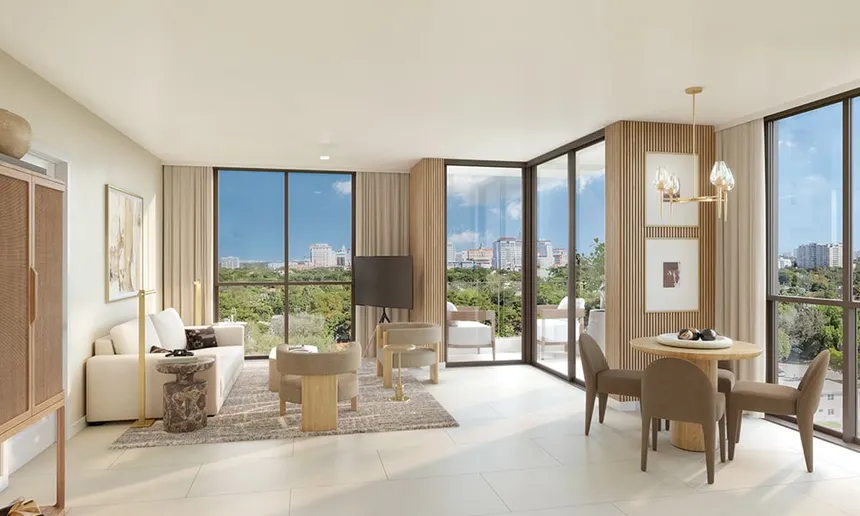
When a covered loss hits a condominium building, the association’s claim is a commercial claim, and the board carries a fiduciary duty to pursue it fully. Underpay it, and the shortfall lands on unit owners as a special assessment.
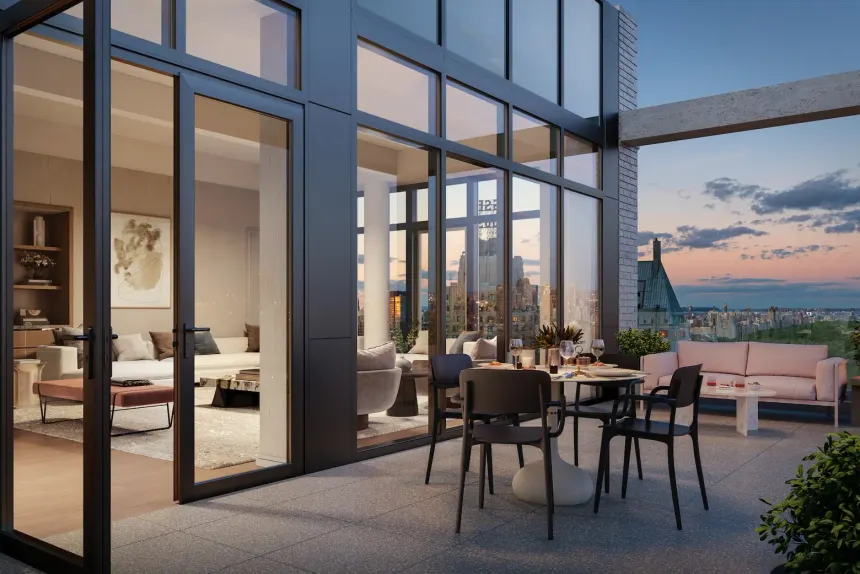
In Florida, a loss to a condominium association building, the common-element structure rather than an individual unit owner’s property, is treated as a commercial loss. That single fact changes everything about how the claim is adjusted: manuscript policies, complex deductibles, and the carrier’s most experienced adjusters.
A condo board sits under a fiduciary duty to the owners it represents. Accepting an underpaid settlement is not a neutral act, the gap between what the loss actually costs and what the carrier pays becomes a special assessment against every unit. Recovering the full claim is how a board protects its members.
We work with associations and their property managers to document the entire common-element loss, interpret the association policy against the declarations, and negotiate a settlement that keeps repairs off the owners’ backs. While the board governs, we handle the claim.
50+
Five-star certified reviews
0%
Fee if there is no recovery
100%
Florida licensed & bonded
Every policy and coverage set is different. Still, certain issues turn up on nearly every condo buildings claim. If they aren’t planned for and documented properly, they quietly cost you money.
The line between association property and individual units decides what the association policy covers. Drawn wrong, damage gets shifted to the wrong policy, or left uncovered entirely.
Every dollar the carrier underpays is a dollar the owners cover through assessment. Full recovery is not just a claims outcome, it is the board’s fiduciary obligation.
Association policies often carry large or percentage-based hurricane deductibles. How and against what the deductible applies materially changes the net check.
Post-Surfside, reserve rules are stricter and repair scopes larger. An underpaid claim collides with reserve requirements and forces hard funding decisions on the board.
Repairing an older building to current code, including structural and life-safety upgrades, is expensive. Law-and-ordinance coverage pays for it when the claim demands it.
A campus of buildings, garages, pools, and amenities is a documentation project. The claim that resolves cleanly is the one built completely from the start.
Step 01
We walk the property and read every endorsement on your policy, so coverage the carrier won’t volunteer doesn’t slip through.
Step 02
Inventory, photos, financial records, engineers and forensic accountants where the loss calls for them. The file gets built once, and it gets built right.
Step 03
We negotiate the deductible, salvage, business interruption, and final settlement directly with the carrier. You hear the result, not the noise.
Insurance companies put their most experienced adjusters on commercial claims because the claims are so complex. That isn’t a knock on the carrier, it’s a signal of how much is at stake. You should have someone with equal experience on your side.
We represent you, not the insurance company, Florida licensed and bonded.
We audit deductible application and salvage allocation, two places carriers quietly recover margin.
We assemble the right experts, engineers, accountants, contractors, when the loss calls for them.
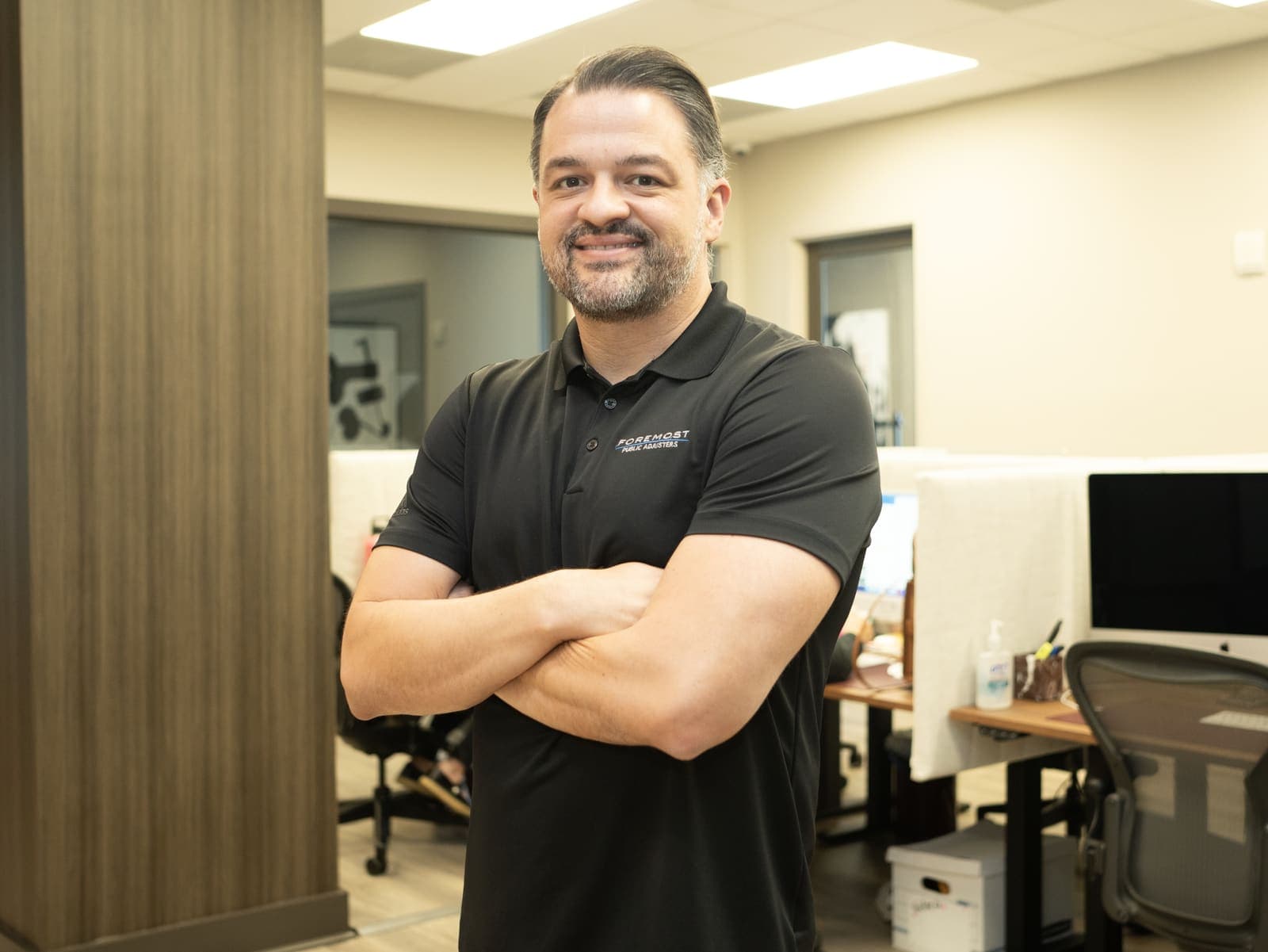
Trust Foremost PA
Get a licensed public adjuster on your file before the carrier’s most experienced adjuster sets the tone. A short conversation today can change the trajectory of your claim.
Practical, plain-English how-to guides from our claim guides library.
Get Your Free Insurance Claim Review
A licensed adjuster responds within 2 hours. No recovery, no fee.