
Step 01
Policy audit & site review
We walk the property and read every endorsement on your policy, so coverage the carrier won’t volunteer doesn’t slip through.
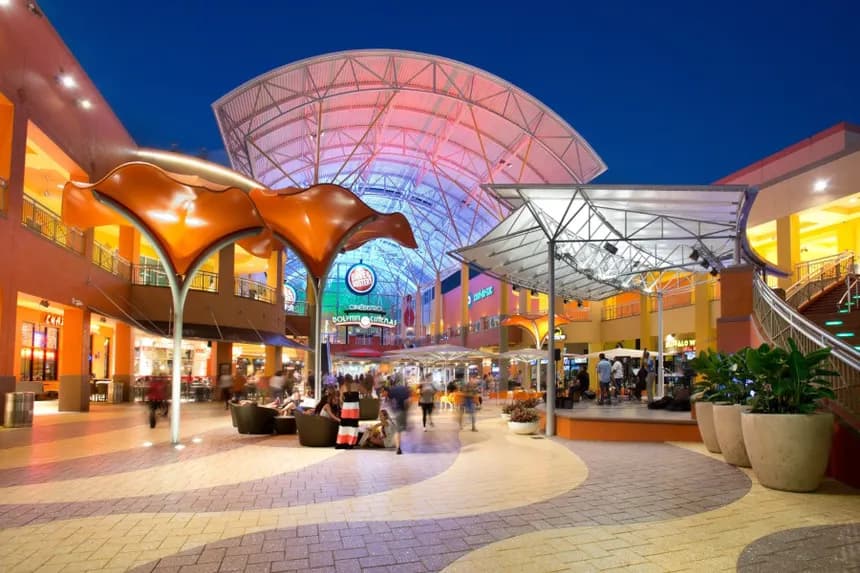
A storm or fire at a retail center is rarely a single loss. It is the shell, the common areas, the tenant spaces, and the rent that stops coming in while the property is dark. We build all of it into one claim.

Shopping centers and strip malls sit at the intersection of a property claim and an income claim. When a covered event closes the center, the physical damage is only half the picture, the other half is the rent roll that goes quiet while tenants cannot open.
Leases complicate the recovery. Depending on the terms, some repairs are the landlord’s responsibility and some fall to the tenant, and co-tenancy clauses can let anchor-tenant closures ripple into rent abatements across the center. A carrier’s adjuster will not untangle that in your favor.
We scope the roof, structure, parking, signage, and common areas, then layer in loss of rents and the extra expense of keeping the property leasable during repairs. One file, documented so the carrier sees the full loss rather than the pieces it prefers to pay.
50+
Five-star certified reviews
0%
Fee if there is no recovery
100%
Florida licensed & bonded
Every policy and coverage set is different. Still, certain issues turn up on nearly every shopping centers claim. If they aren’t planned for and documented properly, they quietly cost you money.
When tenants cannot occupy, rent abates. Reconstructing the pre-loss rent roll and the recovery period is where the largest, and most contested, part of the claim lives.
An anchor closing can trigger rent reductions for the smaller tenants around it. That contractual ripple is a recoverable loss the carrier will not raise on its own.
Parking lots, walkways, signage, roofing, and facade are the landlord’s. These are routinely under-scoped when the adjuster focuses only on the obvious interior damage.
Older centers often must be brought up to current code during repair. Law-and-ordinance coverage pays for that, but only if it is identified and demanded.
Leases split repair duties in ways that determine who claims what. We read the leases so the right party pursues the right damage under the right policy.
On a large center, how the deductible is applied, per building, per occurrence, or as a storm percentage, can swing the net recovery by six figures.
Step 01
We walk the property and read every endorsement on your policy, so coverage the carrier won’t volunteer doesn’t slip through.
Step 02
Inventory, photos, financial records, engineers and forensic accountants where the loss calls for them. The file gets built once, and it gets built right.
Step 03
We negotiate the deductible, salvage, business interruption, and final settlement directly with the carrier. You hear the result, not the noise.
Insurance companies put their most experienced adjusters on commercial claims because the claims are so complex. That isn’t a knock on the carrier, it’s a signal of how much is at stake. You should have someone with equal experience on your side.
We represent you, not the insurance company, Florida licensed and bonded.
We audit deductible application and salvage allocation, two places carriers quietly recover margin.
We assemble the right experts, engineers, accountants, contractors, when the loss calls for them.
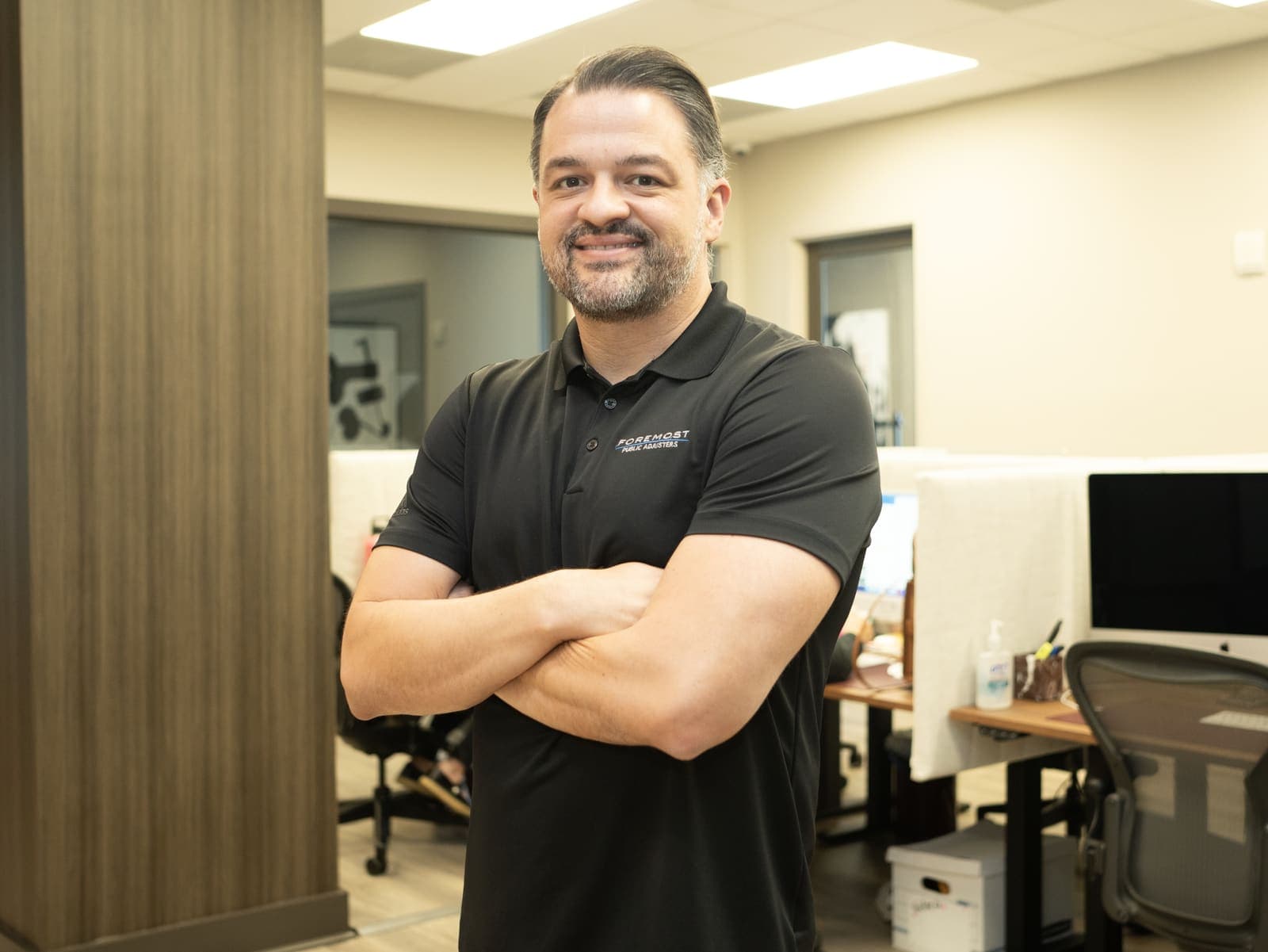
Trust Foremost PA
Get a licensed public adjuster on your file before the carrier’s most experienced adjuster sets the tone. A short conversation today can change the trajectory of your claim.
Practical, plain-English how-to guides from our claim guides library.
Get Your Free Insurance Claim Review
A licensed adjuster responds within 2 hours. No recovery, no fee.