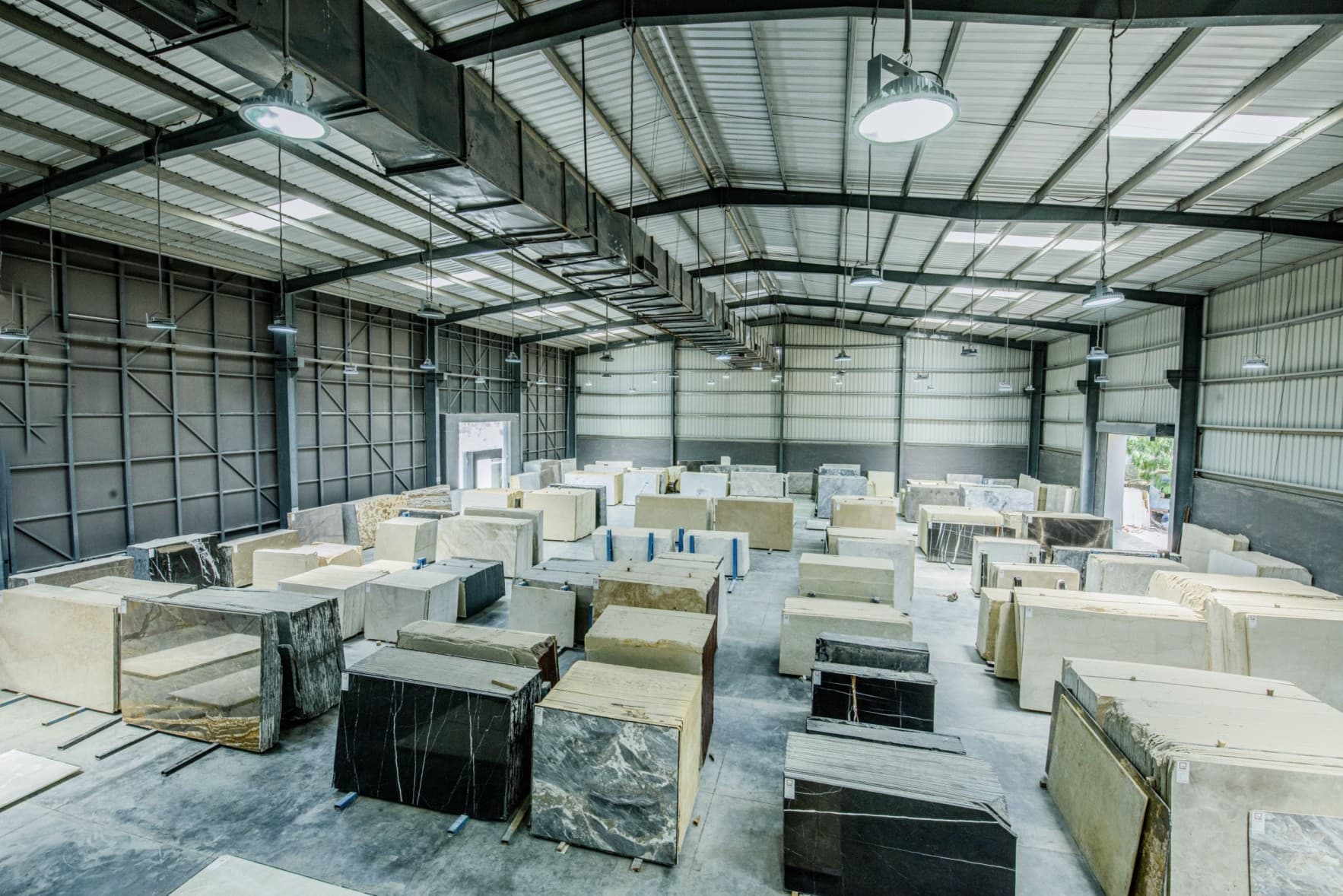
Step 01
Policy audit & site review
We walk the property and read every endorsement on your policy, so coverage the carrier won’t volunteer doesn’t slip through.
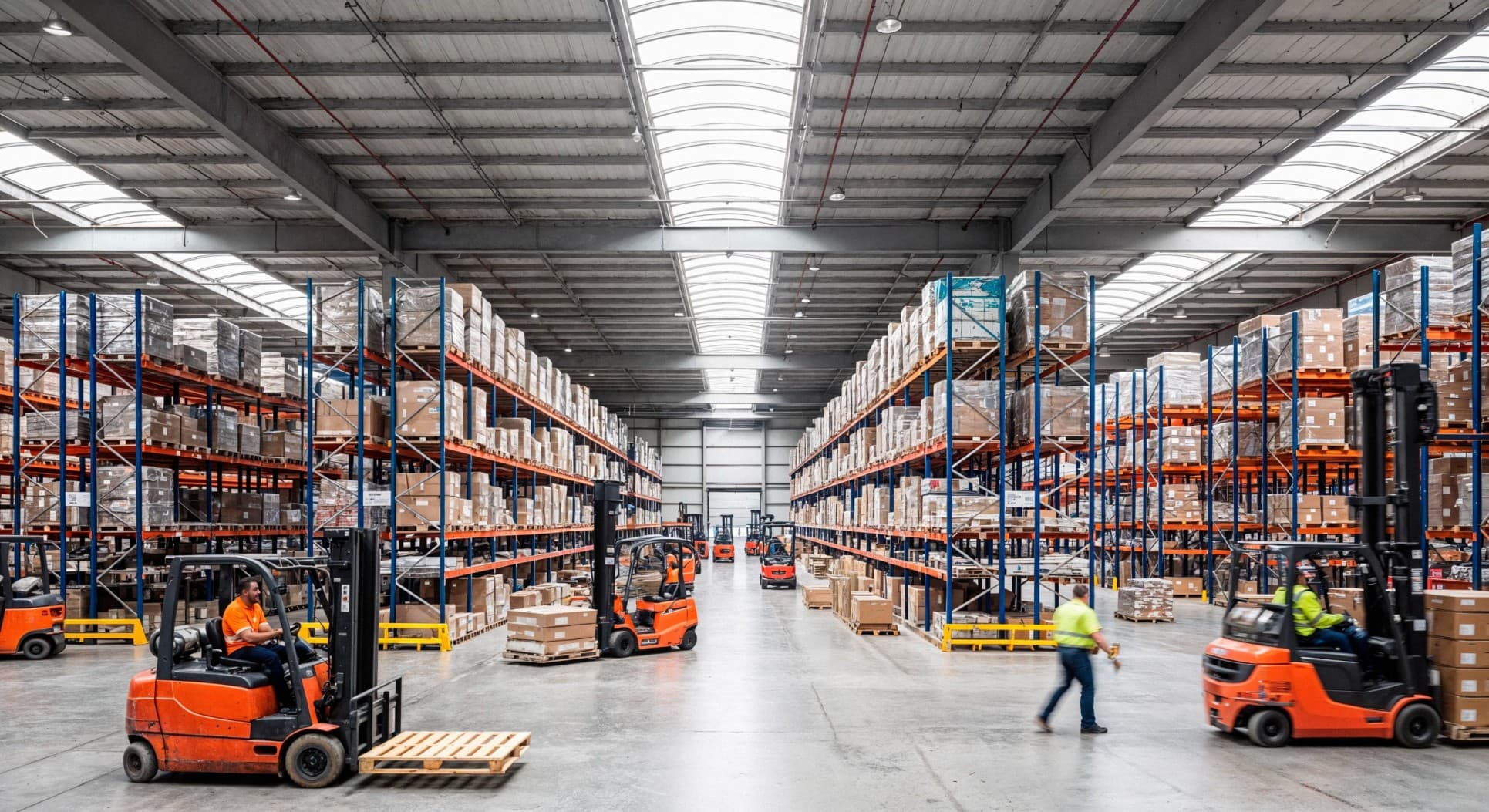
A fire, flood, or storm in a distribution facility is not just a building loss, it is inventory on the floor, racking and dock equipment, and the contractual delivery windows you miss while the operation is down. We document all of it.
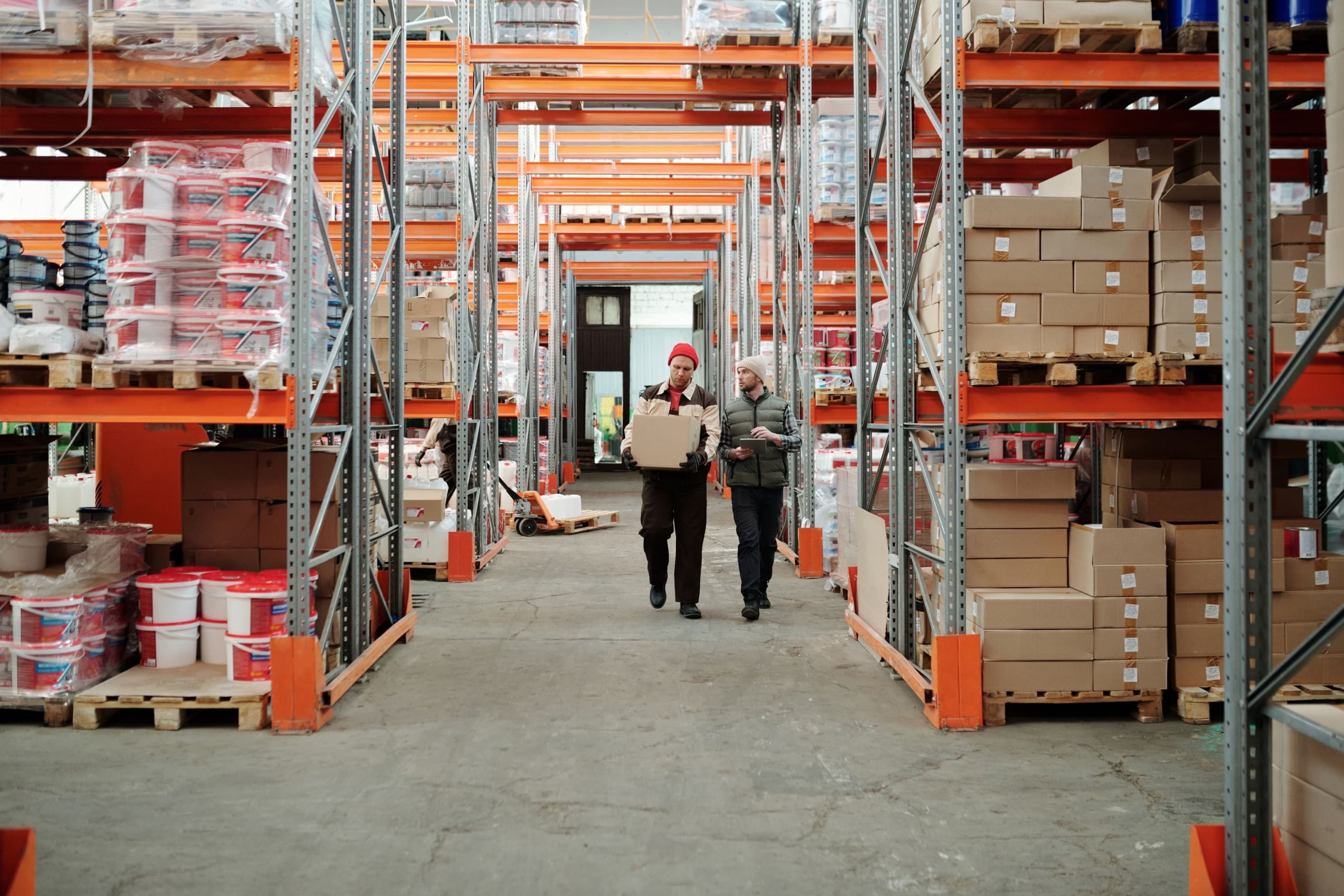
Warehouse and logistics losses turn on two things a standard walkthrough handles badly: the value of the stock and the cost of the disruption. Inventory volumes are large, values move constantly, and a carrier’s adjuster has every incentive to value the damaged goods low.
Then there is everything the building is not, high-bay racking, forklifts and dock equipment, refrigeration for cold storage, sprinkler and fire-suppression systems, and the specialized floor and clear-height that make the space usable. Each is a line item, and each is one that gets left off without someone accounting for it.
Finally, the operational ripple: missed delivery windows, contractual penalties, extra expense to lease temporary space, and the business income lost while throughput is cut. Documenting both the physical loss and the operational cost is what separates a fair settlement from a token one.
50+
Five-star certified reviews
0%
Fee if there is no recovery
100%
Florida licensed & bonded
Every policy and coverage set is different. Still, certain issues turn up on nearly every warehouses claim. If they aren’t planned for and documented properly, they quietly cost you money.
Damaged goods are the largest and most disputed part of the claim. Reconstructing quantities and values, and the right to salvage, is where recovery is won or lost.
High-bay racking, forklifts, conveyors, dock levelers, and refrigeration are covered property that a building-focused estimate routinely under-scopes.
Lost throughput, contractual delivery penalties, and continuing payroll are the hardest numbers to prove and the first ones carriers cut. We build the financial record.
Leasing overflow space, expedited shipping, and temporary equipment to keep goods moving are recoverable extra expenses, if they are documented as they happen.
Damaged stock often carries real salvage value, and the right to that money is negotiable. We establish the net salvage number before any deal is struck.
Fire-suppression systems, clear-height, and slab specifications must often be restored to code. Law-and-ordinance coverage pays for that when it is identified.
Step 01
We walk the property and read every endorsement on your policy, so coverage the carrier won’t volunteer doesn’t slip through.
Step 02
Inventory, photos, financial records, engineers and forensic accountants where the loss calls for them. The file gets built once, and it gets built right.
Step 03
We negotiate the deductible, salvage, business interruption, and final settlement directly with the carrier. You hear the result, not the noise.
Insurance companies put their most experienced adjusters on commercial claims because the claims are so complex. That isn’t a knock on the carrier, it’s a signal of how much is at stake. You should have someone with equal experience on your side.
We represent you, not the insurance company, Florida licensed and bonded.
We audit deductible application and salvage allocation, two places carriers quietly recover margin.
We assemble the right experts, engineers, accountants, contractors, when the loss calls for them.
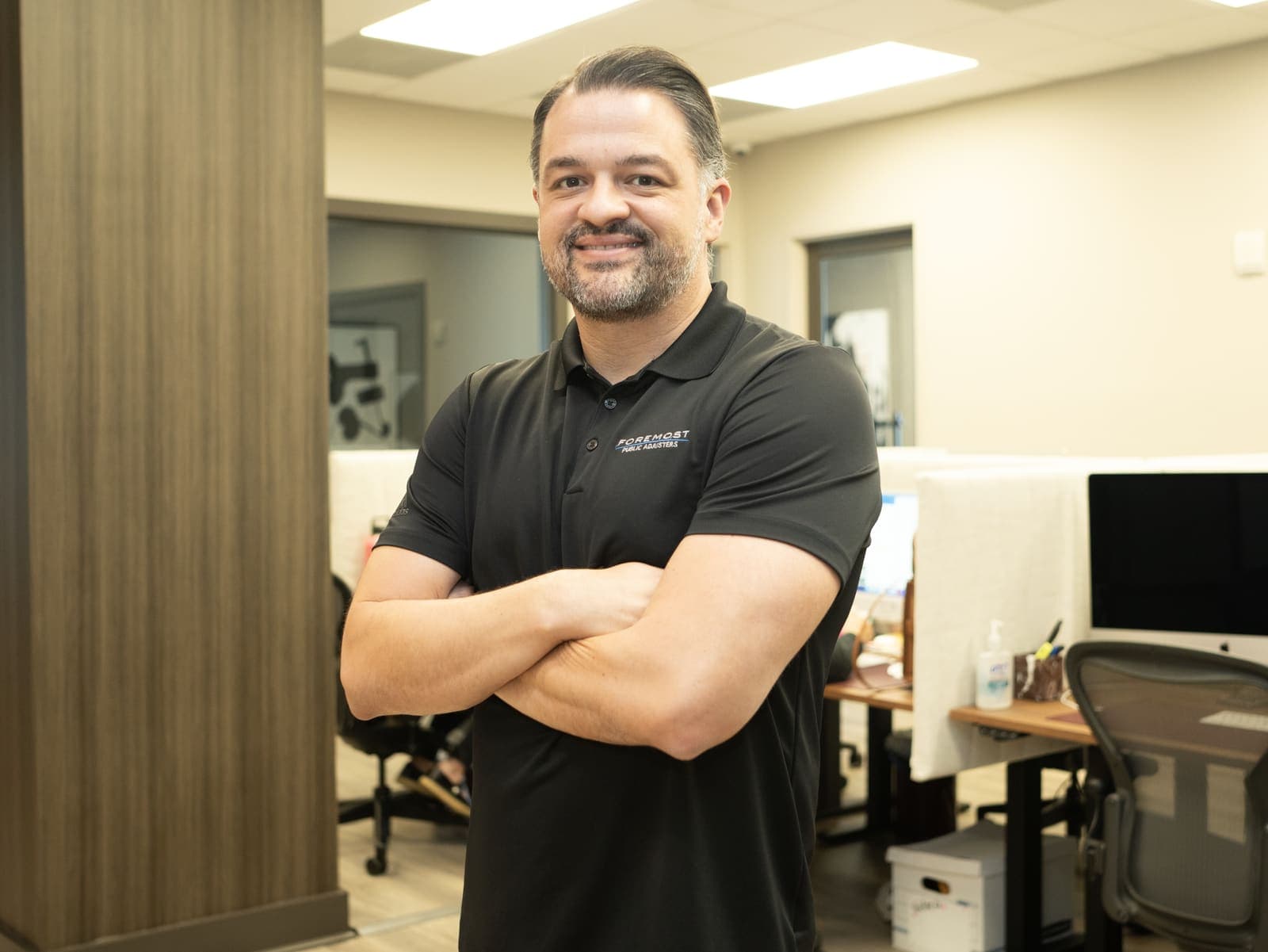
Trust Foremost PA
Get a licensed public adjuster on your file before the carrier’s most experienced adjuster sets the tone. A short conversation today can change the trajectory of your claim.
Practical, plain-English how-to guides from our claim guides library.
Get Your Free Insurance Claim Review
A licensed adjuster responds within 2 hours. No recovery, no fee.