Step 01
Policy audit & site review
We walk the property and read every endorsement on your policy, so coverage the carrier won’t volunteer doesn’t slip through.
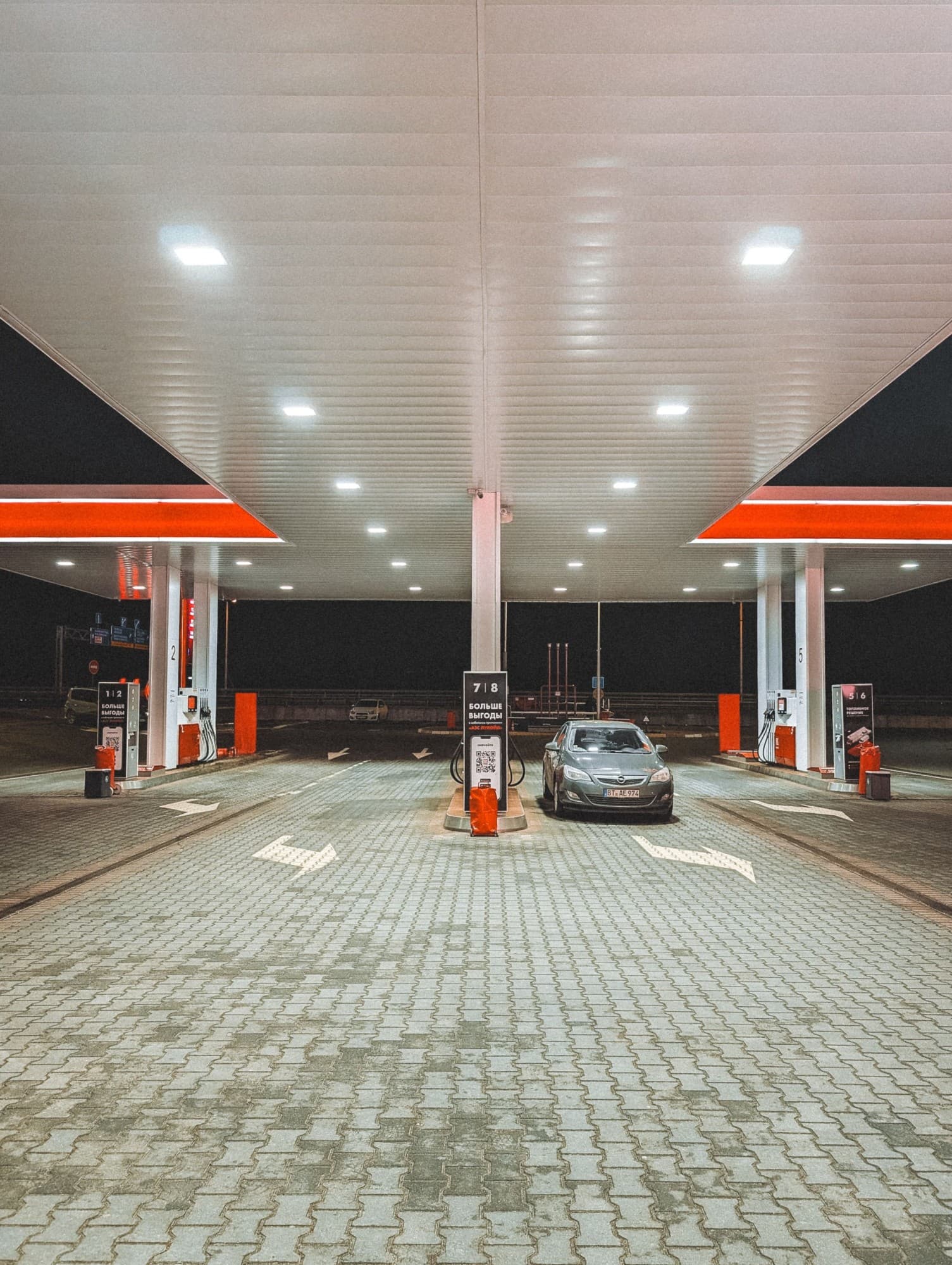
A gas station is one of the most equipment-dense properties a public adjuster handles: the canopy, the dispensers, the underground storage tanks and lines, the point-of-sale and monitoring systems, and the convenience store, all sitting on top of fuel and store income that stops the moment the site goes dark.
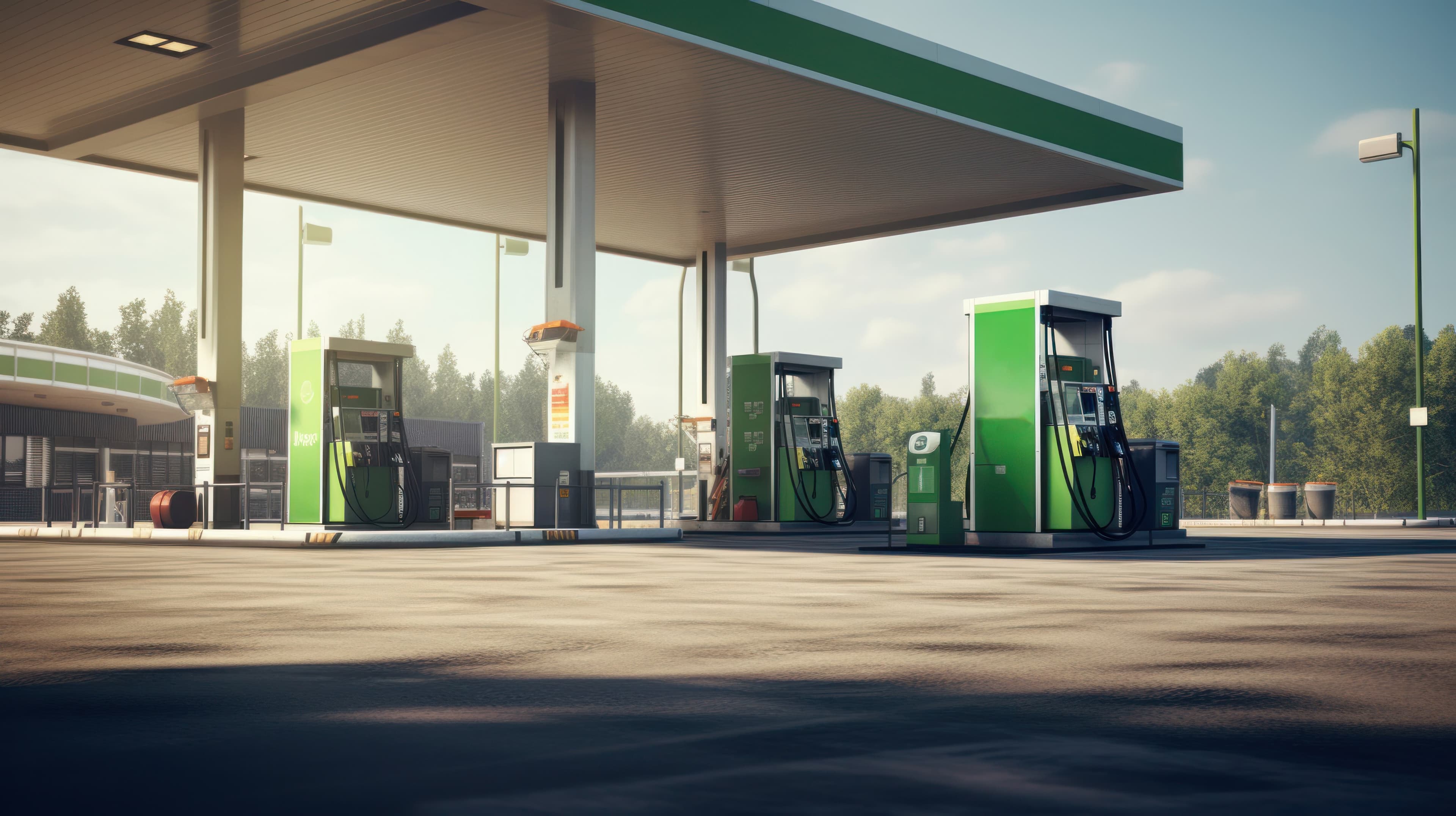
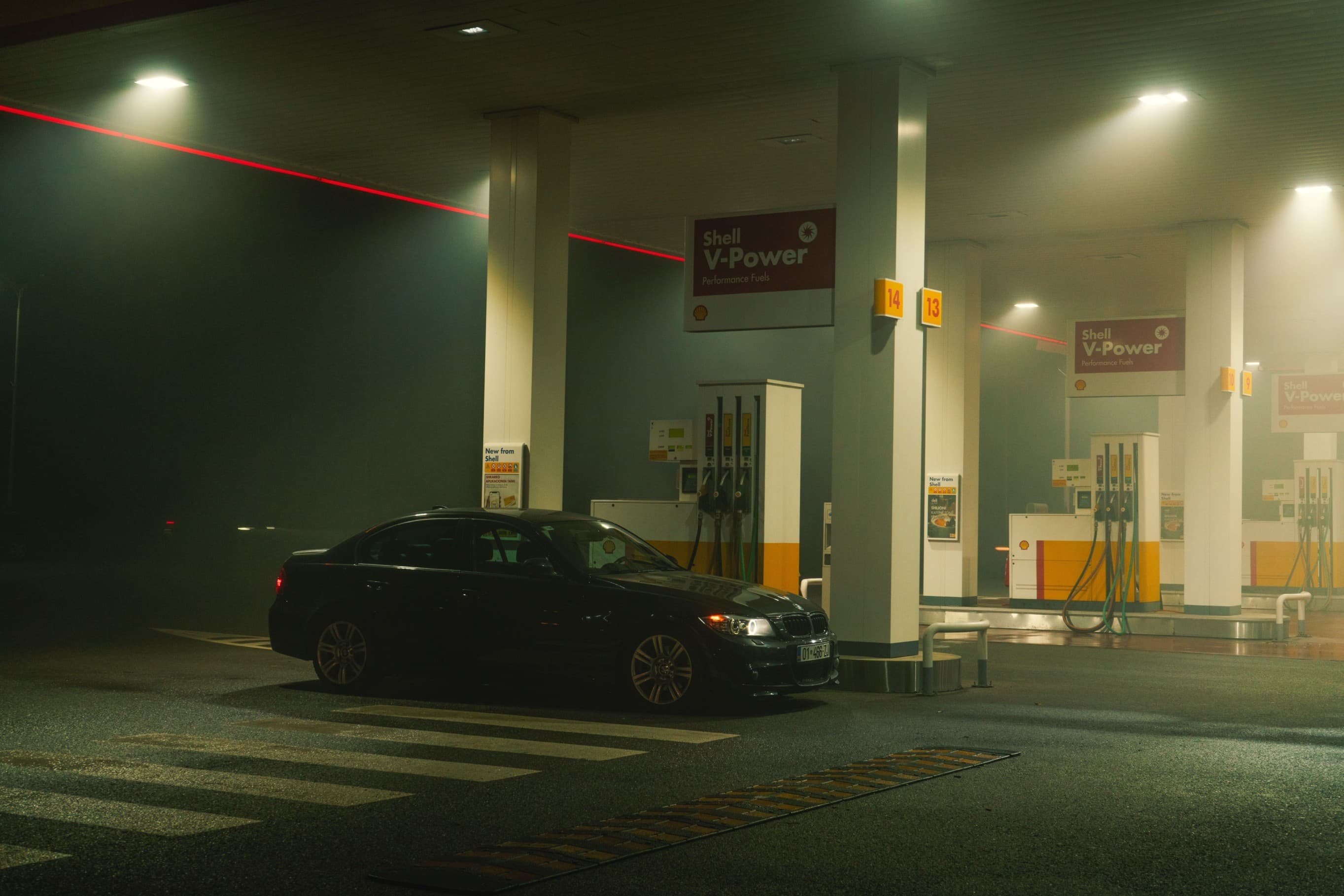
A convenience store with fuel is really several properties at once. There is the retail building and its inventory, and then there is the fueling infrastructure, the canopy, dispensers, underground storage tanks, piping, leak-detection and monitoring systems, and the electronics that tie it together. Each has its own value and its own way of being damaged.
That specialized equipment is exactly what a general commercial adjuster is least equipped to scope. Canopy structural damage, dispenser and hanging-hardware replacement, tank and line integrity, and code-driven upgrades to environmental and monitoring systems are routinely under-valued or missed entirely on a first-pass estimate.
Underneath the equipment is the income: fuel sales and store revenue that both stop when the site cannot operate. We document the physical loss across the store and the fueling system, then layer in the business interruption, so the claim reflects the whole operation rather than just the building.
50+
Five-star certified reviews
0%
Fee if there is no recovery
100%
Florida licensed & bonded
Every policy and coverage set is different. Still, certain issues turn up on nearly every gas stations claim. If they aren’t planned for and documented properly, they quietly cost you money.
The fuel canopy is a high-value structure with specialized lighting and branding. Wind and impact damage to it is frequently under-scoped by adjusters treating it like an awning.
Dispensers, hanging hardware, and payment terminals are costly, regulated equipment. Replacement, not patch repair, is often required, and must be documented as such.
Storage tanks, piping, and leak-detection systems raise integrity and, potentially, environmental issues that a standard property adjuster is not equipped to evaluate.
Fuel margin and store revenue both stop when the site is down. Reconstructing that combined income stream is where the largest disputed dollars usually sit.
Rebuilding often triggers current environmental, containment, and monitoring code. Law-and-ordinance coverage pays for those upgrades when the claim identifies them.
A power loss alone can spoil an entire cooler and store inventory. That stock is covered property, and it is easy to overlook once the drama of the structural damage passes.
Step 01
We walk the property and read every endorsement on your policy, so coverage the carrier won’t volunteer doesn’t slip through.
Step 02
Inventory, photos, financial records, engineers and forensic accountants where the loss calls for them. The file gets built once, and it gets built right.
Step 03
We negotiate the deductible, salvage, business interruption, and final settlement directly with the carrier. You hear the result, not the noise.
Insurance companies put their most experienced adjusters on commercial claims because the claims are so complex. That isn’t a knock on the carrier, it’s a signal of how much is at stake. You should have someone with equal experience on your side.
We represent you, not the insurance company, Florida licensed and bonded.
We audit deductible application and salvage allocation, two places carriers quietly recover margin.
We assemble the right experts, engineers, accountants, contractors, when the loss calls for them.
Trust Foremost PA
Get a licensed public adjuster on your file before the carrier’s most experienced adjuster sets the tone. A short conversation today can change the trajectory of your claim.
Practical, plain-English how-to guides from our claim guides library.
Get Your Free Insurance Claim Review
A licensed adjuster responds within 2 hours. No recovery, no fee.