Fire Damage Insurance Claims in Florida: What Your Policy Actually Covers
Fire claims are among the most under-scoped and underpaid in Florida, because the real cost is not just the flames. It is the smoke in every room, the corrosive soot, the firefighting water, and the contents that look fine but are no longer safe. Here is what your policy actually covers, and how to keep your settlement from being patched instead of paid.
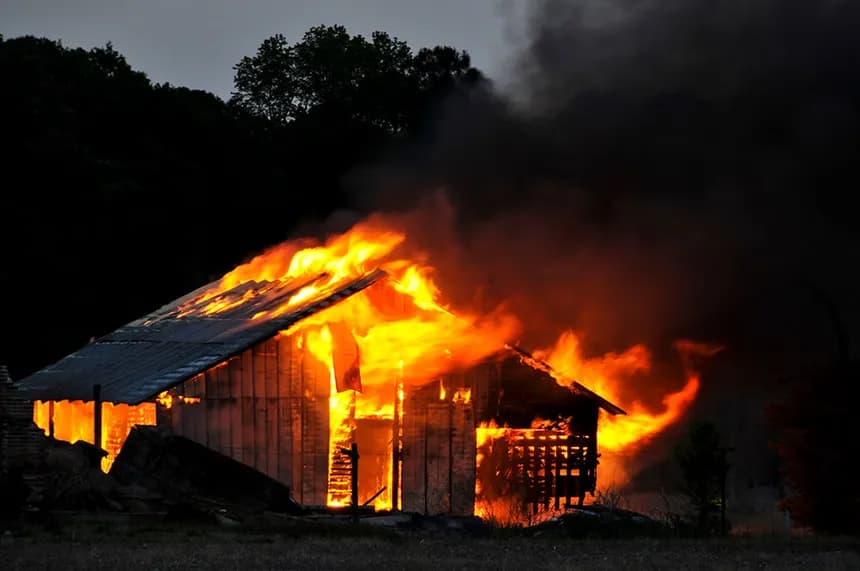
A house fire is one of the most devastating losses a Florida homeowner can face, and the insurance claim that follows is rarely as simple as the policy made it sound. Most people assume "fire coverage" means the carrier writes a check for the damage and the home gets rebuilt. In practice, fire claims are among the most under-scoped and underpaid claims in Florida, because the real cost is not just the flames. It is the smoke that travels into every room, the corrosive soot coating surfaces you cannot see, the water used to put the fire out, and the contents that look fine but are no longer safe to keep. This guide explains exactly what your Florida policy actually covers after a fire, where carriers cut corners, and how to make sure your settlement rebuilds your home instead of patching it.
Quick Answer
The disputes start with scope and value: smoke and soot infiltration, water damage from firefighting, full contents replacement, odor remediation, and code-required upgrades are routinely underpaid or left out of the carrier's first offer. If your fire settlement feels low, it almost certainly is, fire claims have one of the widest gaps between the carrier's opening number and the true cost of restoration.
Foremost Public Adjusters has spent 18 years representing South Florida homeowners against their own insurance companies on exactly these claims. Below is what we wish every policyholder understood before they accepted a fire settlement.
What Fire Insurance Actually Covers in Florida
Fire is a covered peril under essentially every Florida homeowners policy. The coverage is split across the standard policy sections, and a complete fire claim should touch most of them, not just the first one.
Dwelling (Coverage A)
Repairs or rebuilds the physical structure of your home, framing, roof, walls, flooring, built-in systems, damaged by fire, heat, or smoke. On a partial loss, this is where smoke and structural scope disputes concentrate. On a total loss, the fight shifts to whether the carrier pays full replacement cost.
Other Structures (Coverage B)
Covers detached garages, sheds, fences, and screen enclosures, common in South Florida, typically up to 10% of your dwelling limit. These structures are frequently overlooked entirely in the carrier's initial scope.
Personal Property / Contents (Coverage C)
Covers furniture, electronics, clothing, appliances, and household goods damaged or destroyed by fire, smoke, or soot. Contents is the single most underpaid part of most fire claims, because settling it correctly requires a detailed room-by-room inventory, something carriers rarely build for you and often value at depreciated (ACV) prices.
Additional Living Expenses (Coverage D / ALE)
Pays the increased cost of living elsewhere while your home is uninhabitable, hotel or rental, meals above your normal grocery budget, pet boarding, extra commuting, and storage. ALE is often left on the table simply because homeowners do not keep receipts or do not realize they are entitled to it from day one.
Smoke, Soot, and Odor
Smoke and soot damage is covered even in rooms the flames never reached. Professional remediation, cleaning, sealing, deodorizing, and replacing materials that cannot be salvaged, is a legitimate part of the claim. This is one of the most disputed areas, covered in detail below.
Water Damage From Firefighting
The water and chemicals used to extinguish a fire cause their own damage, saturated drywall, flooring, insulation, and the mold that follows in Florida's humidity. This secondary water damage is part of the fire loss and should be scoped, documented, and paid as such, not treated as a separate "water" issue the carrier can sidestep.
Debris Removal and Code Upgrades
Most policies pay to remove fire debris, and many include Ordinance or Law coverage that pays for code-required upgrades triggered when you rebuild, updated electrical, plumbing, or structural elements your original home did not have. Florida's building codes have tightened significantly, so this coverage can add tens of thousands to a legitimate rebuild.
What Fire Insurance Often Does NOT Cover (or Disputes)
Knowing the exclusions and pressure points up front keeps a recoverable claim from being quietly reduced or denied.
- Arson or intentional acts: Fire deliberately set by the insured (or at their direction) is excluded, and carriers may investigate origin and cause before paying, especially on large losses.
- Vacant or unoccupied property: Most policies limit or exclude coverage once a home has been vacant beyond a set period (often 30–60 days). Read your policy's vacancy clause.
- Depreciation withholding (ACV vs. RCV): Carriers commonly pay Actual Cash Value first and hold back "recoverable depreciation," often a large sum, until repairs are complete and documented.
- Undervalued contents: Without a detailed inventory, contents are settled at low, depreciated estimates that rarely reflect replacement cost.
- "Cleanable" smoke disputes: Carriers may argue smoke- or soot-affected materials can simply be wiped down rather than remediated or replaced.
- Limits on specialty items: Jewelry, firearms, collectibles, and business property carried in the home often have sub-limits that surprise homeowners.
The Hidden Fire Damage Carriers Miss
Fire damage is deceptive. The visible char is the obvious part; the expensive part is what spreads beyond it. A thorough fire-damage inspection looks for the damage that does not announce itself:
- Smoke and soot inside the HVAC system: Heat pulls smoke into ductwork and the air handler, then redistributes soot through the entire home every time the system runs. Duct cleaning or replacement is frequently required, and frequently omitted from carrier estimates.
- Corrosion from acidic soot: Soot is chemically acidic. Left in place, it corrodes metal fixtures, wiring, electronics, and appliances over weeks, turning a survivable item into a total loss.
- Odor embedded in porous materials: Smoke odor penetrates drywall, framing, insulation, carpet, and upholstery. Surface cleaning does not remove it; proper deodorization or replacement does.
- Water intrusion and mold from suppression: In Florida's climate, water left from firefighting can seed mold within days behind walls and under flooring.
- Heat-compromised structure without visible char: Sustained heat can weaken framing, fasteners, and finishes in areas that look untouched, affecting structural integrity.
The carrier's single-visit adjuster, working from a checklist, is not incentivized to chase any of this down. A public adjuster is.
Smoke and Soot Damage: Why It's Routinely Under-Scoped
Smoke and soot are where fire claims are won or lost. Different fires produce different residues, and each requires a different, and differently priced, remediation approach:
- Protein residue (from kitchen and grease fires): nearly invisible but carries a strong, persistent odor and discolors paint and finishes. Easy for a carrier to undervalue because there is little visible char.
- Dry smoke (fast, high-temperature fires): powdery and easier to wipe, but it lodges in cracks, outlets, and porous surfaces.
- Wet smoke (slow, smoldering fires): thick, sticky, foul-smelling soot that smears and demands aggressive cleaning or replacement.
Because smoke travels, soot damage routinely extends into rooms far from the origin, and into the HVAC system that then spreads it everywhere. A settlement that only addresses the visibly burned room is, almost by definition, incomplete. Documenting the true extent of smoke and soot migration is one of the highest-value things a public adjuster does on a fire claim.
How to File a Fire Damage Claim in Florida: Step by Step
The actions you take in the first days after a fire shape the entire settlement. Follow this sequence:
- Confirm safety and get the fire report. Do not re-enter until cleared. Request the fire department's incident report, it documents the origin and cause and supports the claim.
- Notify your insurer promptly. Report the loss as soon as possible. Under § 627.70132 you have 1 year from the date of loss to file, but your policy almost certainly requires "prompt notice" far sooner, do not wait.
- Document everything before any cleanup. Photograph and video every room, every damaged item, and all smoke and soot, including areas away from the fire's origin. Do not throw anything away until it is documented; discarded items cannot be claimed.
- Secure the property. Reasonable emergency measures, board-up, tarping, water extraction, to prevent further damage are typically covered. Keep every receipt.
- Build a detailed contents inventory. Go room by room: item, description, age, and replacement cost. This single document drives the largest, and most underpaid, part of the claim.
- Get independent repair and remediation estimates. Do not rely solely on the carrier's number. Licensed South Florida contractor and remediation bids at current market rates are your leverage.
- Review your policy, and consider a public adjuster, before accepting any offer. Once you sign a release or accept a payment as final, reopening the claim is far harder.
Why Fire Claims Get Underpaid — or Denied
Even on a clearly covered fire, the gap between a fair settlement and the carrier's offer comes from a handful of predictable tactics:
- Depreciation held back. The carrier pays ACV up front and withholds recoverable depreciation under § 627.7011, money you are owed once you complete repairs and document them correctly.
- Contents lowballed. Without your detailed inventory, the carrier estimates contents low and depreciates aggressively.
- Smoke scope minimized. Soot remediation, HVAC contamination, and odor treatment are reduced to "cleaning" line items.
- Partial vs. total loss disputes. Whether a home is repairable or a total loss can swing the settlement dramatically; carriers favor the cheaper characterization.
- Deadline and documentation pressure. Statutory timelines now run fast (1 year to file), and incomplete proof of loss gives the carrier room to delay or deny.
Your Insurer’s Deadlines Under § 627.70131
Real South Florida Outcome
The difference between a carrier's first fire offer and a fully documented claim is not theoretical.
Coral Gables — Fire & Smoke, Real Outcome
A kitchen fire spreads smoke and soot through the home and contaminates the HVAC system. The carrier's adjuster scopes the visibly burned area and offers $45,000.
Foremost PA documents full smoke and soot migration, HVAC contamination, water damage from suppression, a complete room-by-room contents inventory, and code-required upgrades for the rebuild. Result: $155,000 settlement, more than 3x the carrier's opening offer.
Carrier offer $45,000 → settled at $155,000 (more than 3x)
How Foremost PA Maximizes Fire Damage Settlements
Fire claims reward thoroughness, and thoroughness is exactly what the carrier's single-visit process is built to avoid. Here is how we handle a fire claim from day one:
- Free policy review: Every coverage section mapped, dwelling, other structures, contents, ALE, debris removal, and Ordinance or Law / code-upgrade coverage.
- Full independent inspection: Smoke and soot migration mapped room by room, HVAC contamination assessed, water and mold from suppression documented, and structural heat damage evaluated.
- Complete contents inventory: A detailed, replacement-cost inventory so the largest and most underpaid part of the claim is fully captured.
- Market-rate scope of loss: Licensed South Florida contractor and remediation bids at real rates, not depreciated database pricing, submitted as the claim basis.
- Depreciation recovery: We make sure recoverable depreciation under § 627.7011 is actually collected, not quietly forfeited.
- Direct negotiation and escalation: All carrier communication runs through us; if the carrier acts in bad faith, we file a Civil Remedy Notice under § 624.155.
It is all contingency, we do not get paid unless you do. See our process or start a free fire-claim review.
Key Takeaways
- Fire is a covered peril, your claim should include dwelling, other structures, contents, ALE, debris removal, and code upgrades, not just the burned room.
- Smoke, soot, and odor are covered even where flames never reached, and are the most under-scoped part of most fire claims.
- Water damage from firefighting (and the mold that follows in Florida) is part of the fire loss.
- Document everything before cleanup, keep all receipts, and never discard items until they are inventoried.
- Build a detailed, replacement-cost contents inventory, it drives the largest part of the settlement.
- Under § 627.70132 you have 1 year to file (18 months for supplements); your policy may require notice much sooner.
- Carriers must acknowledge in 7 days, inspect within 30, and pay or deny within 60, hold them to it.
- A public adjuster works only for you, on contingency, and routinely recovers multiples of the carrier's first fire offer.
Frequently Asked Questions
Yes. Fire is a named, covered peril on virtually every Florida homeowners policy (including standard HO-3 forms). Coverage extends to the dwelling, other structures, personal property, and additional living expenses while your home is uninhabitable, as well as smoke and soot damage and water damage caused by extinguishing the fire. The disputes are almost never about whether fire is covered, they are about the scope and dollar value of the loss.
Yes. Smoke and soot damage is covered even in rooms the flames never reached, including contamination of your HVAC system and odor embedded in walls, flooring, and contents. This is one of the most frequently under-scoped parts of a fire claim, because carriers may treat heavy soot as a simple "cleaning" item rather than the full remediation or replacement it often requires.
Under Florida Statute 627.70132, you must give your insurer notice of an initial or reopened claim within 1 year of the date of the fire, and a supplemental claim within 18 months. Your policy almost certainly requires "prompt notice" much sooner than that, so report the loss immediately and treat the statutory deadline as an outer limit, not a target.
Common reasons: the carrier paid Actual Cash Value and withheld recoverable depreciation; contents were estimated without a detailed inventory; smoke, soot, and HVAC contamination were minimized; water damage from firefighting was excluded; or code-required rebuild upgrades were left out. A public adjuster re-documents the full loss and forces the carrier to justify its number against real South Florida repair costs.
For anything beyond a minor fire, it is usually worth it. Fire claims are document-intensive, contents inventories, smoke and soot mapping, HVAC and structural assessment, ALE tracking, and that is exactly where carrier estimates fall short. A public adjuster works only for you, on a contingency fee capped by Florida law (20% non-catastrophe, 10% during a declared emergency), with no fee if there is no recovery.
Key terms in this guide
Plain-English definitions from our insurance claim glossary.
You shouldn't have to fight your insurance company alone.
Foremost Public Adjusters has recovered millions for policyholders across South Florida. 18 years. Over 20,000 claims. If your claim was denied, delayed, or underpaid, we will look at it for free. No recovery, no fee.
Foremost Public Adjusters
Licensed public adjusting firm representing policyholders in first-party property claims across South Florida. Florida Public Adjuster License #W807653. Coral Gables, FL.