Roof Leak Insurance Claim After a Storm: How a Public Adjuster Can Help Uncover Hidden Damage
Storm water rarely stops at the ceiling stain you can see. This guide for Orlando and North Florida homeowners covers the hidden roof damage insurers often miss, Florida's 1-year notice deadline and inspection rules, how the 2007 code roof exception and law and ordinance coverage affect the payout, and what a public adjuster does on a roof claim.
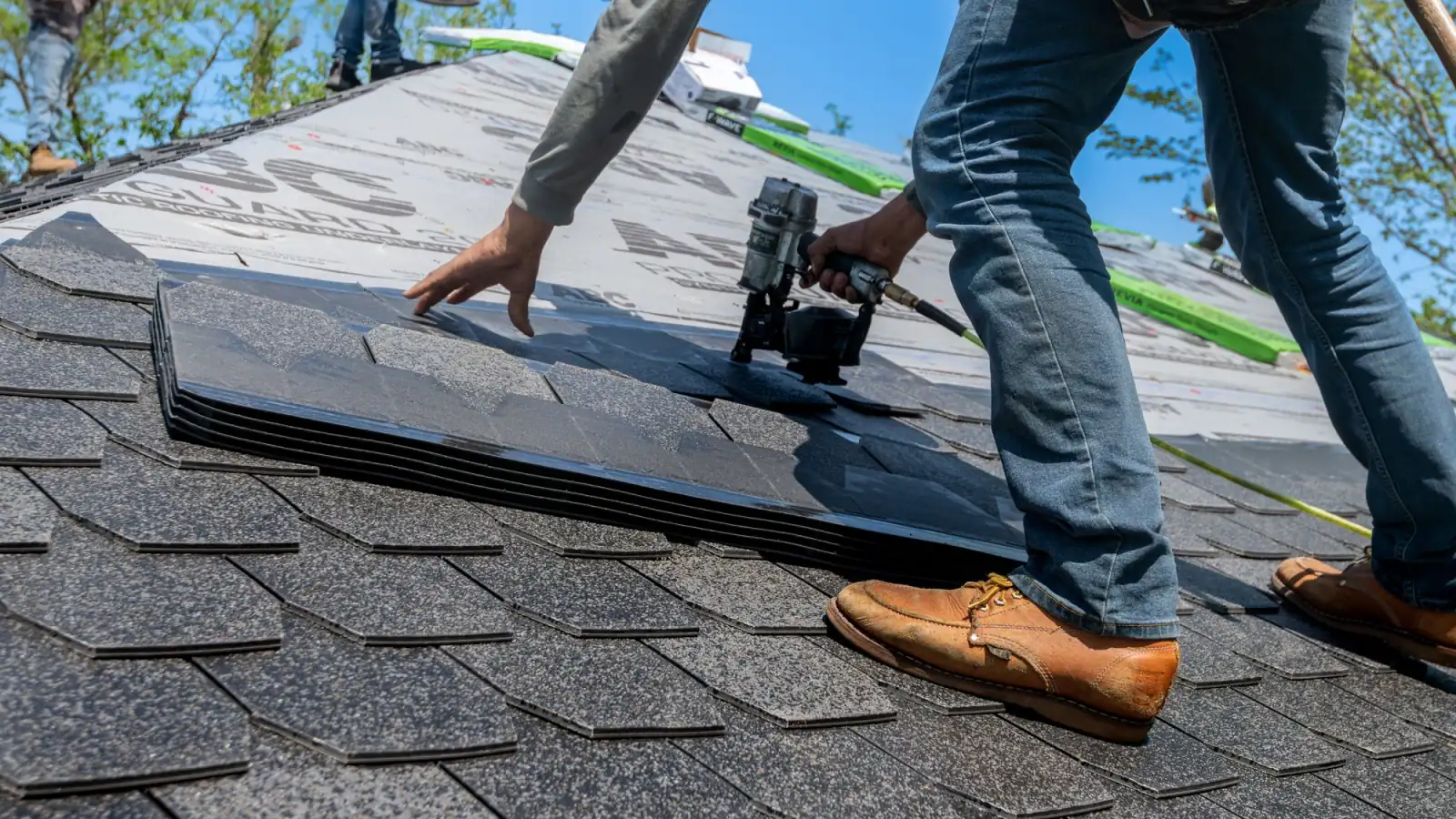
A ceiling stain after a storm is rarely the whole story. By the time water shows up indoors, it has usually soaked through underlayment, decking and insulation on its way down. That is why a roof leak insurance claim filed on what you can see from the hallway often ends up paying for a patch and a can of paint, while the real damage stays in the attic.
This guide is for homeowners in Orlando, Central Florida and North Florida, from Tallahassee and Gainesville to Pensacola and Panama City. It explains what to check after a storm, why insurers so often deny or underpay roof claims, the Florida rules that decide how much of a roof gets replaced, and how a public adjuster documents damage the first inspection missed. It is general information, not legal advice: your policy and your facts control.
Is a storm-related roof leak covered by insurance?
Usually, if a covered peril such as wind, hail or a falling tree caused the opening that let water in. Most homeowners policies pay for the roof damage and the resulting interior water damage. Leaks the insurer attributes to age, wear and tear, poor maintenance or slow seepage over time are typically excluded.
That makes cause of loss the center of almost every roof claim. Two homeowners can have identical ceiling stains and very different outcomes, depending on whether the evidence ties the leak to the storm date or lets the insurer call it long-term deterioration. Hurricane damage also carries its own deductible, which our guide to the Florida hurricane deductible explains.
What hidden roof damage do insurers commonly miss?
Storm damage often sits where a quick inspection does not look: under shingles that lifted and resealed, beneath intact tiles, inside the attic, and in wet insulation and drywall. A surface-only inspection can record a few missing shingles and miss saturated decking or failed underlayment that justify a much larger repair.
Areas worth documenting after any Florida storm include:
- Creased or lifted shingles that laid back down after the wind passed but no longer seal.
- Cracked or displaced tiles, including breaks that only show when the tile is lifted.
- Torn or displaced underlayment, the secondary water barrier under the roof covering.
- Wet or delaminated roof decking and loosened decking fasteners.
- Damaged flashing at chimneys, vents, skylights and wall joints.
- Attic framing, insulation and wiring that took on water.
- Ceilings, walls and flooring below the leak, plus any mold that follows.
Moisture meters and infrared cameras can show how far water traveled inside walls and ceilings, which matters because interior water damage is often a bigger number than the roof itself. If mold has already started, our guide to mold damage insurance claims in Florida covers that side of the claim.
How fast must you report a roof leak claim in Florida?
Report it as soon as you find it. Florida bars a new property claim unless notice reaches the insurer within 1 year after the date of loss, and a supplemental claim for additional damage within 18 months. For storms, the date of loss is the landfall or weather event date, not the day you noticed the stain.
Those limits come from § 627.70132, Florida Statutes. For hurricanes, tornadoes, windstorms, severe rain and other weather events, the date of loss is the date the hurricane made landfall or the date the National Oceanic and Atmospheric Administration verified the event. A slow leak noticed months after a storm can still be timely, but the clock started on the storm date.
While you wait for the inspection, protect the property: tarp the opening if it is safe, move belongings, and keep receipts for every temporary repair. Photograph the damage before anything is removed.
What does the insurer have to do after you file?
For residential claims, Florida sets clear deadlines. The insurer must inspect within 30 days of receiving your proof of loss, send you any detailed estimate within 7 days of creating it, and pay or deny within 60 days of notice, with a written explanation tied to the policy.
Those duties are in § 627.70131, Florida Statutes. The statute also requires that any payment below the insurer's own detailed estimate come with a written explanation of the difference. Ask for the estimate if you have not received it: it is the document that shows exactly which roof components, square footage and interior repairs the insurer included, and which it left out.
Why are roof insurance claims denied or underpaid?
Most roof denials rest on three arguments: the damage is wear and tear rather than storm damage, the damage existed before the storm, or the roof was installed improperly. Underpayments usually come from scoping too little, such as a few shingles instead of a section, or leaving out decking, underlayment and interior repairs.
Common patterns to watch for in the denial letter or estimate:
- "Wear and tear" or "age-related deterioration" with no explanation of why the storm did not cause the opening.
- A repair estimate that ignores code requirements for the section being replaced.
- No line items for decking, underlayment, flashing or drip edge, even where the covering is being removed.
- Interior damage left out or limited to one room.
- A matching dispute, where only part of a slope is paid even though the replacement material cannot reasonably match.
If your roof insurance claim was denied outright, start with the written explanation and our guide to what to do after a denied insurance claim in Florida.
How do Florida building code rules affect a roof claim?
Florida law decides how much of a damaged roof must be brought up to current code, and law and ordinance coverage decides whether the policy pays for it. Roofs built or replaced to the 2007 Florida Building Code or later are treated differently from older roofs, so the roof's age and permit history matter.
Under § 553.844, Florida Statutes, if an existing roof was built, repaired or replaced to the 2007 Florida Building Code or a later edition, and 25 percent or more of it is being repaired or replaced, only the repaired portion has to meet the current code. The same section requires that a roof replacement on a site-built single-family home include a secondary water barrier and strengthened roof-decking attachments.
Paying for those upgrades depends on law and ordinance coverage. Under § 627.7011, Florida Statutes, a homeowners policy is deemed to include law and ordinance coverage limited to 25 percent of the dwelling limit unless you rejected it in writing, and that coverage applies to the damaged portion unless total damage exceeds 50 percent of the structure's replacement cost. On a replacement cost policy, the insurer must first pay at least actual cash value, then the rest as repairs are performed.
For more on roof coverage generally, see our guide to roof damage insurance claims in Florida.
How does a public adjuster for a roof claim help?
A public adjuster for a roof claim works for you, not the insurer. The adjuster reviews the policy, inspects the roof, attic and interior, documents hidden damage, builds an itemized estimate that includes code items and interior repairs, and negotiates with the carrier. In Florida, fees on residential claims are capped by law.
§ 626.854, Florida Statutes caps public adjuster fees on residential and condominium unit owner claims at 10 percent of claim payments for events covered by a state of emergency declaration during the year after it, and 20 percent otherwise. A public adjuster cannot take a fee on payments the insurer made or agreed to before the contract was signed, and you can cancel the contract within 10 days without penalty. The same section requires the insurer's adjusters to give at least 48 hours' notice before an on-site inspection, and bars public adjusters from offering homeowners gifts, cash or a deductible waiver in exchange for a roof inspection or a roof claim.
How Foremost works a roof leak claim. Foremost Public Adjusters is a licensed Florida public adjusting firm (license W807653) that represents policyholders, never insurers, with its headquarters in Coral Gables and offices in Fort Lauderdale and in Miramar Beach in the Panhandle. On a roof claim, the firm reviews the policy, inspects the roof, attic and interior where the water traveled, documents the damage and prepares an estimate, then handles the negotiation with the insurer on a no recovery, no fee basis. You can read more on our roof leak claims page, or compare roles in public adjuster vs. insurance company adjuster.
Filing a roof leak insurance claim in Orlando or North Florida?
The rules are the same statewide: notice within 1 year of the storm's date of loss, the insurer's inspection and payment deadlines, and the 2007 code roof exception. What changes locally is how storm damage shows up and how far from the coast it reaches, so inland homeowners should inspect after every major storm, not just a direct hit.
Orlando and Central Florida. Homes in Orange, Seminole and Osceola counties often take wind damage from storms that made landfall on another coast hours earlier. Because the date of loss for a hurricane is its landfall date under § 627.70132, the claim clock can start before the wind ever reaches Orlando. Lifted shingles and slow attic leaks found weeks later are common, which is exactly the hidden damage described above. Our Orlando public adjuster page and our guide to a storm damage insurance claim in Orlando cover the local process.
North Florida and the Panhandle. From Pensacola and Panama City to Tallahassee and Gainesville, roof claims follow hurricanes, tropical storms and severe thunderstorms alike, and many homes have older roofs that predate the 2007 Florida Building Code. That matters because the code exception in § 553.844 only protects roofs built, repaired or replaced to the 2007 code or later, and a local government may not adopt an ordinance that changes that exception. Ask for your roof's permit history early. Local pages: Tallahassee, Gainesville, Pensacola and Panama City.
When should you call a public adjuster about a roof leak?
Call before you accept a first offer that pays only for a patch, or as soon as an estimate leaves out decking, underlayment or interior damage. The earlier hidden damage is documented, the easier it is to tie it to the storm date and the more options remain open, including a supplemental claim.
Other signs it is time to get help: the insurer blamed age or wear and tear, the estimate covers part of a slope that cannot be matched, mold has appeared, or months have passed without a decision. Whether your home is in Orlando, Tallahassee, Gainesville, Pensacola or Panama City, contact Foremost Public Adjusters at 305-238-8672 for a review of your roof claim.
About the author
Foremost Public Adjusters is a licensed Florida public adjusting firm (license W807653) that represents policyholders, never insurers, on residential and commercial property claims. The firm is headquartered in Coral Gables, with offices in Fort Lauderdale, Miramar Beach and Nashville, and works on a no recovery, no fee basis.
Sources
- § 627.70132, Florida Statutes: Notice of property insurance claim
- § 627.70131, Florida Statutes: Insurer's duty to acknowledge communications regarding claims; investigation (2026)
- § 553.844, Florida Statutes: Windstorm loss mitigation; requirements for roofs and opening protection (2026)
- § 627.7011, Florida Statutes: Homeowners' policies; offer of replacement cost coverage and law and ordinance coverage (2026)
- § 626.854, Florida Statutes: Public adjuster defined; prohibitions (2026)
Frequently Asked Questions
Usually, if wind, hail, a falling tree or another covered peril created the opening that let water in. Most homeowners policies then pay for the roof repair and the resulting interior water damage. Leaks the insurer can tie to age, wear and tear or poor maintenance are typically excluded, so evidence of the storm matters.
Section 627.70132 of the Florida Statutes requires notice of a new claim within 1 year after the date of loss and a supplemental claim within 18 months. For hurricanes and other weather events, the date of loss is the landfall or verified event date, not the day you noticed the leak.
Read the written explanation and note each reason, such as wear and tear or pre-existing damage. Request the insurer's estimate and inspection photos, gather your own evidence tying the damage to the storm date, and respond in writing. A licensed public adjuster or attorney can review the denial against your policy.
Under section 626.854, fees on residential and condo unit owner claims are capped at 10 percent of payments for declared emergency events during the year after the declaration, and 20 percent otherwise. No fee can be charged on payments the insurer made or agreed to before you signed the contract.
Only if you have law and ordinance coverage. Under section 627.7011, a Florida homeowners policy is deemed to include it at 25 percent of the dwelling limit unless you rejected it in writing. Check your declarations page, since code items like a secondary water barrier can add real cost.
Not if the roof was built, repaired or replaced to the 2007 Florida Building Code or later. Section 553.844 says only the repaired portion must meet current code in that case. Older roofs do not get that exception, so the roof's age and permit history matter to the estimate.
Often yes, as long as notice reaches the insurer within 1 year of the storm's date of loss. If the insurer already adjusted the claim and you find more damage from the same storm, a supplemental claim is generally allowed within 18 months of the date of loss.
No. The notice deadlines, the insurer's inspection and payment duties and the 2007 code roof exception apply statewide, and section 553.844 bars local governments from changing that exception by ordinance. What differs is storm exposure and roof age, so inland Orlando and older North Florida roofs deserve a close inspection after every major storm.
Key terms in this guide
Plain-English definitions from our insurance claim glossary.
You shouldn't have to fight your insurance company alone.
Foremost Public Adjusters has recovered millions for policyholders across South Florida. 18 years. Over 20,000 claims. If your claim was denied, delayed, or underpaid, we will look at it for free. No recovery, no fee.
Foremost Public Adjusters
Licensed public adjusting firm representing policyholders in first-party property claims across South Florida. Florida Public Adjuster License #W807653. Coral Gables, FL.