What Does a Public Adjuster Do? A Florida Homeowner's Complete Guide
Your insurance company has a team of adjusters, engineers, and attorneys working to minimize what they pay you. A public adjuster is the person who sits on your side of that table. Here is what they actually do, how the process works in Florida, and why the numbers say you should not go through a claim without one.

Here is a number that should change how you think about insurance claims. A study by the Florida Office of Program Policy Analysis and Government Accountability (OPPAGA) found that homeowners who hired a public adjuster walked away with settlements up to 747% higher on catastrophe claims compared to those who handled negotiations on their own. We are not talking about a modest bump. We are talking about the difference between a $12,000 check that barely covers your kitchen floor and an $89,000 settlement that actually puts your home back together.
And yet, most people in Florida have never heard of a public adjuster. They do not know what one does, when to call, or that they even have the right to hire one. So when damage happens, the only adjuster they ever meet is the one their insurance company sends, someone whose salary depends on keeping the carrier's costs down, not on making sure you are made whole.
We have been on the policyholder's side of this fight for 18 years now. Over 20,000 claims. And in this guide, we are going to lay out everything we wish homeowners knew before they ever picked up the phone to call their insurance company, what a public adjuster actually does day to day, where claims go wrong (it is almost never where you would expect), how the right representation changes your payout, and what the process looks like from your first call to the final settlement check.
What Is a Public Adjuster? The Legal Definition
In plain terms, a public adjuster is a state-licensed insurance professional who works for you, the homeowner, not for your insurance company. They handle the preparation, filing, and negotiation of first-party property insurance claims on your behalf. In Florida, public adjusters are licensed through the Florida Department of Financial Services, and they have to pass state exams, keep up with continuing education, and carry a surety bond to maintain that license.
The difference that matters most is who is paying them. Your insurance company's adjuster, whether they call them a "field adjuster" or "staff adjuster," is either on the carrier's payroll or working as a contractor for the carrier. Their performance reviews hinge on how quickly they close files and how little the company pays out. That is not speculation; it is how the business model works. A public adjuster, on the other hand, earns a percentage of whatever they recover for you. If they do not get you a settlement, they do not get paid. There is no cleaner way to align someone's interests with yours.
And these fees are not open-ended. Under Florida Statute 626.854, public adjuster compensation is capped by law, 20% of the settlement on standard claims, 10% on claims connected to a declared state of emergency. It is one of the few professional services where your advocate's fee is both performance-based and legally limited.
Three Types of Adjusters, Only One Works for You
- Staff Adjuster (Company Adjuster): An employee of the insurance company. They show up at your property, inspect the damage, write an estimate, and send it to their supervisor, all while drawing a salary from the carrier. Their loyalty is to their employer, full stop.
- Independent Adjuster: A contractor the insurance company hires when they need extra hands, usually after a hurricane or a big storm season. The word "independent" is misleading, they are paid by the carrier and report to the carrier. They are independent from the company's full-time staff, not from the company's interests.
- Public Adjuster: Licensed by the state of Florida. Works only for the policyholder. Prepares the claim from scratch, documents every bit of damage, and negotiates directly with the insurance company to get you the highest recovery your policy allows.
Why How You File Your Claim Matters More Than the Damage Itself
This is the part most homeowners get wrong. They think the size of the damage determines the size of the settlement. It does not. What determines your payout is how your claim gets filed, the paperwork, the timelines, the specific language used, and the quality of the documentation. We have seen catastrophic losses get underpaid because the Proof of Loss had gaps. And we have seen moderate claims pay out fully because the file was built right from day one. Insurance companies do not deny or underpay claims because they do not believe the damage is real. They do it because the filing gave them an opening, a late notice, a vague description, a missing form.
Florida's Reporting Requirements Are Unforgiving
Under Florida Statute 627.70131, your insurance company has to acknowledge your claim within 14 days and make a coverage decision within 90 days. Those sound like protections, and they are, but only if your side of the paperwork is clean. Here is where claims fall apart before they even get started:
- Reporting too late. If you wait weeks to notify your carrier, they will argue that some of the damage happened after the initial event and is not covered. That argument sticks more often than it should.
- Weak documentation. A handful of cell phone photos and a verbal description of what happened is not a claim. Your carrier expects photographic evidence, written damage descriptions, personal property inventories, and in many cases a sworn Proof of Loss, a legal document that puts a dollar figure on every line item of damage.
- Saying the wrong thing in a recorded statement. Carriers ask for recorded statements early. They are testing your language. If you say "flood" when the real cause was a supply line burst, you may have just moved your claim into a coverage category your policy excludes. One word can cost you tens of thousands of dollars.
- Not mitigating the damage. Florida law, Florida Statute 627.714, requires you to take reasonable steps to prevent further damage after a loss. That means tarping the roof, pulling out standing water, boarding up windows. If you do not, your carrier can deny coverage for anything that got worse after the initial event.
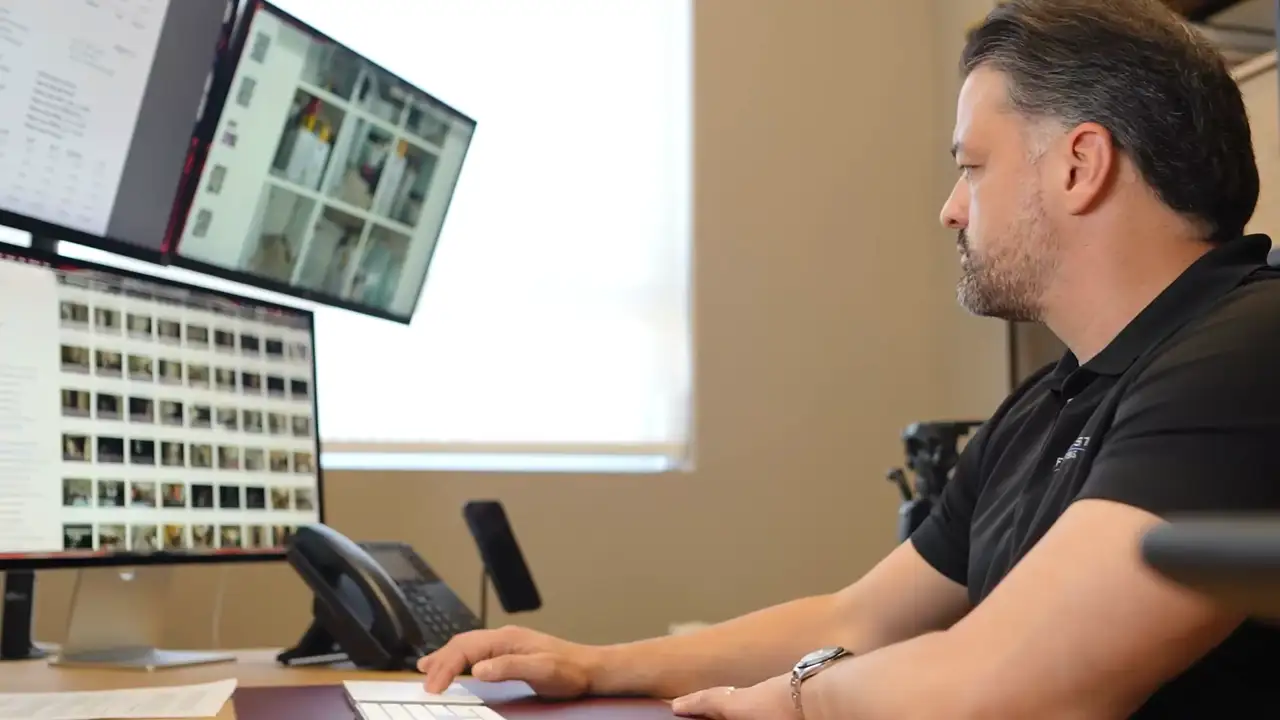
When you bring us in, we take all of this off your plate from the first phone call. We file the notice. We photograph and document the loss with professional equipment. We prepare the Proof of Loss. We sit in on the recorded statement so you do not hand the carrier a reason to reduce your payout. Every procedural trap the insurance company sets, we have seen it before, and we do not let our clients walk into it.
747%
Higher settlements for policyholders with public adjuster representation on catastrophe claims, based on Florida OPPAGA research using Citizens Property Insurance data.
How a Public Adjuster Gets You a Bigger Settlement
You already know the damage is real, you are living in it. The question is whether the insurance company's estimate reflects the actual scope of what happened, prices the repairs correctly, and applies every coverage your policy includes. After 20,000 claims, we can tell you: their estimate almost never does. Here is where a public adjuster closes that gap.
We Find Damage the Carrier's Adjuster Does Not
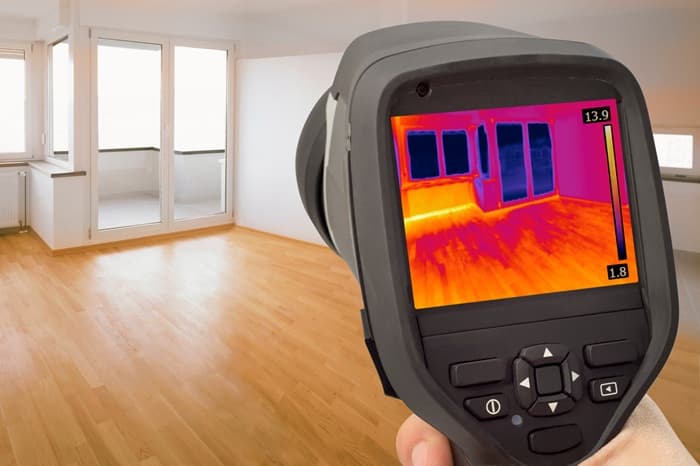
A carrier's adjuster typically spends somewhere between 30 minutes and an hour at your property. They take photos of what is visible, draft a preliminary estimate, and move on to the next appointment. They are not opening up walls. They are not using thermal imaging to trace moisture paths. They are not mapping what is happening behind drywall or under flooring. They are documenting the surface, and on a water damage or mold claim, the surface is rarely where the real problem lives.
We bring FLIR thermal cameras, both penetrating and non-penetrating moisture meters, and sometimes 3D Matterport scanning to map the full path of intrusion. On roof leak claims, we fly drones to capture high-resolution images of every section of the roof plane, finding lifted shingles, creased underlayment, and flashing failures that the carrier's adjuster never spotted from ground level.
We Build Estimates the Carrier Can't Dismiss
Carrier estimates have a habit of leaving things out. They will skip Overhead and Profit (O&P), ignore sales tax, use generic national pricing instead of Florida zip-code rates, and pretend that Ordinance or Law coverage, the provision that pays for mandatory code upgrades during repairs, does not exist. These are not oversights. They are patterns.
We write our estimates in Xactimate, the same platform the carrier uses, so there is no argument about the format. But our estimates account for every component: every stud, every sheet of drywall, every baseboard, every coat of primer and paint. When the desk adjuster opens our file and sees it next to their own adjuster's version, the gap is right there in black and white, line by line, down to the last screw.
We Find Money Your Policy Already Provides
Most homeowners have never sat down and actually read their insurance policy. That is understandable, these documents are not written to be read. But buried inside are coverages that your carrier is not going to volunteer:
- Replacement Cost Value (RCV) vs. Actual Cash Value (ACV), if your policy provides for replacement cost, the carrier should pay to replace what is damaged at today's prices, not a depreciated figure. We make sure they do.
- Ordinance or Law coverage, if your repairs need to meet current Florida Building Code standards, this coverage pays for the upgrade. Carriers almost never bring it up on their own.
- Additional Living Expenses (ALE), if your home is too damaged to live in during repairs, your policy likely covers hotel costs, meals, and other temporary living expenses. We document and file for every dollar.
- Mold remediation, Florida policies typically cap mold coverage between $10,000 and $50,000. We make sure the carrier applies that cap correctly instead of burying mold costs inside the general claim total to keep the payout lower.
How to File a Property Insurance Claim in Florida: Step by Step
Whether you are dealing with hurricane damage, a burst pipe, or fire damage, the claims process follows the same core structure. Here is what it looks like when Foremost PA is running it for you.
Step 1: Stop the Bleeding and Save the Evidence
Right after the damage happens, your first job is to prevent it from getting worse, tarp the roof, extract standing water, board up openings. But before you move anything, document everything. Take at least 100 photos, shoot video walkthroughs, get close-ups of serial numbers and model numbers on damaged items. Hold onto every receipt for emergency work. This evidence is the backbone of your claim, and once it is gone, it is gone.
Step 2: Call Us Before the Insurance Company's Adjuster Shows Up
The best claims are built before the carrier's adjuster sets foot in your house. When you call Foremost PA, we send a licensed adjuster to your property for a free inspection, no obligation. We document everything with professional-grade equipment and put together a preliminary damage assessment. Then we file a Letter of Representation (LOR) with your carrier. From that moment on, all communication from the insurance company goes through us, not to you.
Step 3: We Handle the Claim Filing and Proof of Loss
We prepare the formal claim notice and submit it to your carrier along with a sworn Proof of Loss, a legal document that spells out every item of damage with line-by-line detail. This filing is arguably the most important document in the entire process. Mistakes here, missing items, vague descriptions, math errors, are the number one reason carriers use to stall, reduce, or deny payouts.
Step 4: We're There When the Carrier's Adjuster Inspects
When the insurance company sends their field adjuster out, we walk the property right alongside them. We point out damage they would otherwise miss, challenge under-scoping as it happens, and make sure the carrier's inspection report reflects what is actually there, not a trimmed-down version that saves them money.
Step 5: Negotiate Until the Number Is Right
The carrier's first offer is almost always lower than the real cost of repairs. That is by design. Once we have their initial estimate, we go back with supplemental documentation, additional damage found during demolition, updated pricing, engineering reports, code-upgrade requirements. We negotiate with the carrier's desk adjuster or examiner directly, and we do not close the file until the settlement matches the loss.
If the carrier drags their feet or digs in on a lowball number past the point of reasonable negotiation, we can trigger the Appraisal Clause in your policy. This is a faster, cheaper alternative to a lawsuit, both sides pick an independent appraiser, the two appraisers choose an umpire, and the panel issues a binding number. It takes the decision out of the carrier's hands entirely.
What Makes Foremost PA Different
Florida has hundreds of public adjusting firms. Most are one- or two-person operations working from a spare bedroom. We did not build Foremost PA that way. We built it with the staff, the capital, and the infrastructure to go the distance against carriers who are counting on you to give up.
- Every claim is handled by a licensed adjuster. Not a salesperson, not a call center rep, not someone who took a message and passed it along. The person who walks your property, writes your estimate, and negotiates with your insurance company holds a Florida public adjuster license and meets ongoing continuing education requirements.
- We bring the equipment that changes outcomes. FLIR thermal cameras, penetrating moisture meters, drone photography, Xactimate estimating with Florida-specific pricing data. We find and document damage that the carrier's adjuster does not have the tools, or the time, to look for.
- We do not blink first. Insurance companies bet on claim fatigue. They stretch out inspections, delay supplements, and hope you will eventually take whatever number they put on the table. We have the resources to wait them out. We do not accept premature offers, and we will run the clock just as long as they do, until the settlement reflects the actual loss.
- You do not pay unless we deliver. Our fee is contingent on recovery and capped by Florida statute. If we do not get you a settlement, you owe us nothing. From the first walkthrough to the final check, our financial interest and yours are the same.
The Delay Tactics Insurance Companies Use, and How We Shut Them Down
After 18 years and more than 20,000 claims, we have seen every play in the carrier's book. Here are the tactics Florida homeowners run into most often, and exactly how we handle each one.
- The adjuster carousel. The carrier assigns a new adjuster to your claim every few weeks, three, four, sometimes five different people. Every handoff resets the timeline. We cut through it by escalating to supervisors and documenting every reassignment. If the pattern constitutes bad faith under Florida law, we make sure that is on the record.
- The lowball first offer. The carrier comes back with a $4,000 estimate on a $40,000 loss. They are not confused about the number, they are testing whether you will accept it. We respond with a 50-plus-page line-item estimate backed by thermal imaging, moisture reports, and engineering data. The math makes its own argument.
- Death by paperwork. The carrier requests financial records that have nothing to do with the claim, maintenance logs from five years ago, or duplicate copies of documents they have already received. It is a stall tactic dressed up as due diligence. We push back on irrelevant requests, send only what the law requires, and keep the claim moving forward.
- Blaming it on wear and tear. The carrier labels the damage as "pre-existing," "settling," or "normal wear and tear" when the loss was sudden and accidental. We counter with timestamped photo metadata showing when the damage appeared, weather service records proving the storm, plumber's reports confirming the pipe failure, and sworn statements establishing the timeline. The facts do not leave room for the carrier's narrative.
Key Takeaways
- A public adjuster is a state-licensed professional who represents you, not your insurance company, through every stage of your property damage claim.
- How you file your claim, the documentation, the timing, the Proof of Loss, has more impact on your settlement than the severity of the damage itself.
- Policyholders who hire a public adjuster recover up to 747% more on catastrophe claims than those who negotiate on their own.
- Public adjuster fees in Florida are contingent on results and capped by state law, no recovery means no fee.
- The earlier you bring in a public adjuster after a loss, the stronger your claim. Ideally, call before the carrier's adjuster shows up.
Frequently Asked Questions
Public adjusters in Florida work on contingency, they only get paid when you get paid. Florida Statute 626.854 caps fees at 20% of the settlement for standard claims and 10% for claims tied to a declared state of emergency. There are no upfront costs, no retainers, and no hourly charges. If the adjuster does not recover anything for you, you owe nothing.
Yes, and you should. A licensed public adjuster can go back to the property, build a new documentation package, file a supplemental claim or revised Proof of Loss, and negotiate the reopened claim directly with the carrier. Some of our biggest recoveries at Foremost PA started as denied claims. A denial is a negotiating position, not a final answer.
It comes down to who signs their paycheck. The insurance company's adjuster works for the carrier, their job is to evaluate your claim and keep the payout as low as defensible. A public adjuster is licensed by the state, works only for you, and earns a percentage of whatever they recover on your behalf. Their financial interest is the opposite of the carrier's and identical to yours.
As soon as possible, within 24 to 48 hours of the loss if you can. The strongest claims are built while the evidence is fresh, before repairs start, and before the carrier's adjuster has a chance to write their version of the story. Getting a public adjuster involved early gives you the best foundation for a full recovery.
Yes. Hurricane and storm damage claims are among the most frequent and most underpaid types of claims in Florida. A public adjuster documents the complete scope of wind, rain, and water intrusion damage, including structural problems hidden below the surface, and negotiates with the carrier for every dollar your policy provides.
Key terms in this guide
Plain-English definitions from our insurance claim glossary.
You shouldn't have to fight your insurance company alone.
Foremost Public Adjusters has recovered millions for policyholders across South Florida. 18 years. Over 20,000 claims. If your claim was denied, delayed, or underpaid, we will look at it for free. No recovery, no fee.
Foremost Public Adjusters
Licensed public adjusting firm representing policyholders in first-party property claims across South Florida. Florida Public Adjuster License #W807653. Coral Gables, FL.